
by Gabriel Scott, In-House Counsel
Is old growth clearcutting on public lands making a comeback on the North Umpqua River?
Thus seems to say the BLM in its latest timber sale announcement, called “Umpqua Sweets.” While BLM’s official announcement is itself so vague and legalistic as to melt into nothing, recent groundtruthing of their proposed logging units reveals this sale to be a major disaster.
It would commercially log some two-thousand acres, including hundreds of acres of some of the most beautiful and prized forests left. There are dozens of aspects to this story; dozens of features and perspectives. The BLM proposes logging right along the North Umpqua river, has many units of old-growth, and has been heedless of exceptional wildland treasures. The project has some hopeful aspects, proposing fuel treatment for forest fires on specific routes and near homes, and riparian restoration of several kinds. Both of those are legitimate and important issues, and Cascadia has urged BLM to collaborate to expand and do even more of those actions. But in the context of the commercial timber sale units we’ve checked in the field, they appear frequently opportunistic.
Umpqua Sweets could be a poster-child for the regent binge of BLM timber sales under its new management plan. It puts timber values above everything else, using whatever rationales come handy to get out the cut, at massive waste of human and natural energy.
This is the first is a series of posts relaying remarkable aspects of the truth from the ground on this sad proposal. Do not despair, A C T. There is still time to convince the BLM to seriously look at a conservation alternative, but that is going to take a major groundswell of grassroots pressure. We’ve prepared a comment to BLM for you HERE that you can personalize. By all means pursue whatever means seem right to you.
Learning to Speak Bureaucratese
The official project announcement isn’t much to look at. In two pages of text and a map it shows the areas proposed for some kind of logging. It doesn’t point out any of the obvious conflicts with other values that we discovered on the ground.
As an attorney I admired the skilled craft behind the stilted legalize, because it very efficiently covers just about every possibility for commercial logging. It gives the required legal notice, without particularly alerting anyone to anything.
Forests are both young and old (from 41 to 160 years old), and in lands allocated for everything from timber harvest to old-growth reserve. The project “purpose” includes just about every conceivable rationale BLM has for logging: generating timber volume, adjusting age class, restoring streamside riparian areas, and managing fire. The map isn’t of the general area, as you’d expect if so many options really were on the table, but of specific proposed units, “fuels treatment” areas, and 12 miles of proposed new roads.
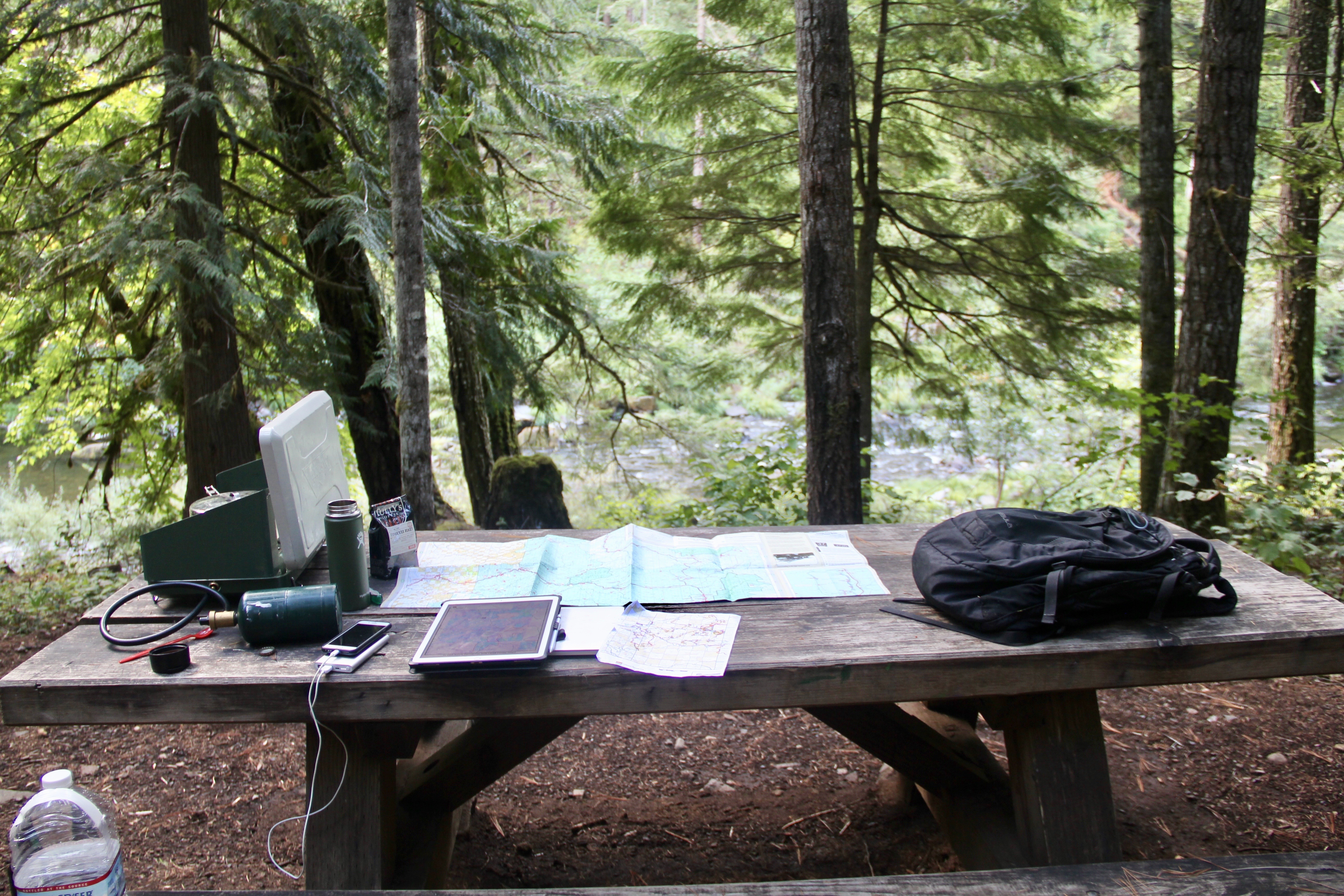
Paperwork can have a way of hiding the truth as much as reveal it, so we’ve headed down to work in the woods for a few days and see what things are like in the forest. I made a couple trips, and several locals and WildCAT fieldchecking volunteers have also followed up with on-the-ground information.
The land itself shows that with Umpqua Sweets, the BLM is making a play to bring back old-growth logging, functionally like clearcutting in most ways, and seemingly heedless of the environmental knowledge gained over the last several decades, and with a sort of institutionalized contempt towards the Wildlands values that you and I (and even most BLM and timber industry workers!) hold dear.
The BLM is all about clearcutting now; the rest be damned.
A World Class River
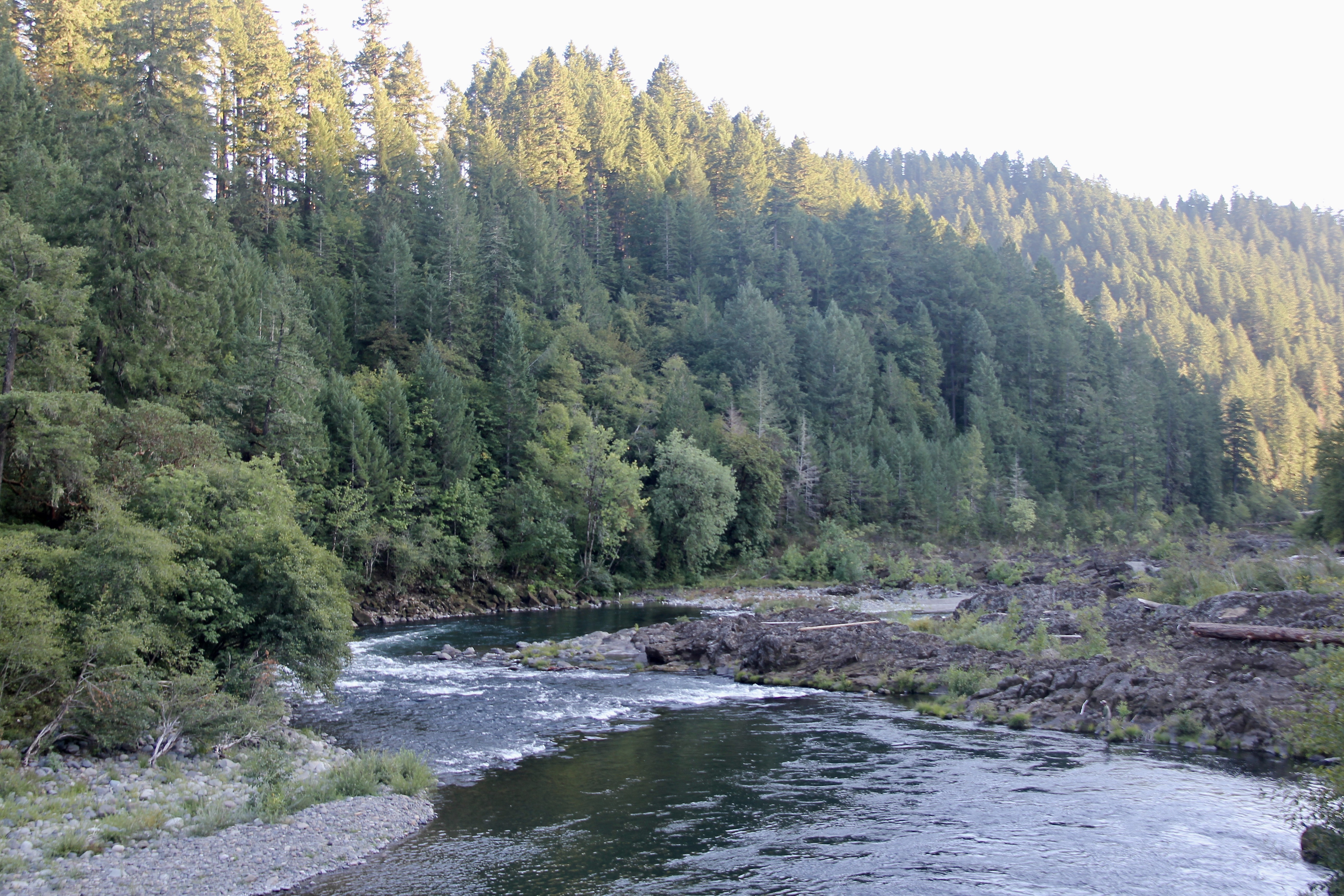
The first logging unit you see driving into the sale area from the west is unit 26-3-11A. This is a 120-year-old stand of healthy douglas fir growing up the slope on the south bank of the North Umpqua River.
On paper, according to BLM, it isn’t much to look at.