By: Noah Angell, Communications Fellow
It is no secret that the Trump administration has prioritized profit and privatization over protecting our public lands, wildlife, and climate. So it should come as no surprise that the past two years have brought some of the biggest attacks on public lands, land management agencies, and environmental safeguards in history.
Bedrock environmental laws like the National Environmental Protection Act (NEPA) and the Endangered Species Act (ESA) have been gutted or are at risk of being gutted. Foundational public land protections such as the Roadless Rule are being rolled back. Public lands agencies continue to face deep budget cuts and mass firings, while already understaffed and overstretched. Now more than ever, our public lands are at risk of being sold off to the highest bidder and/or opened to extractive activities like logging and drilling.
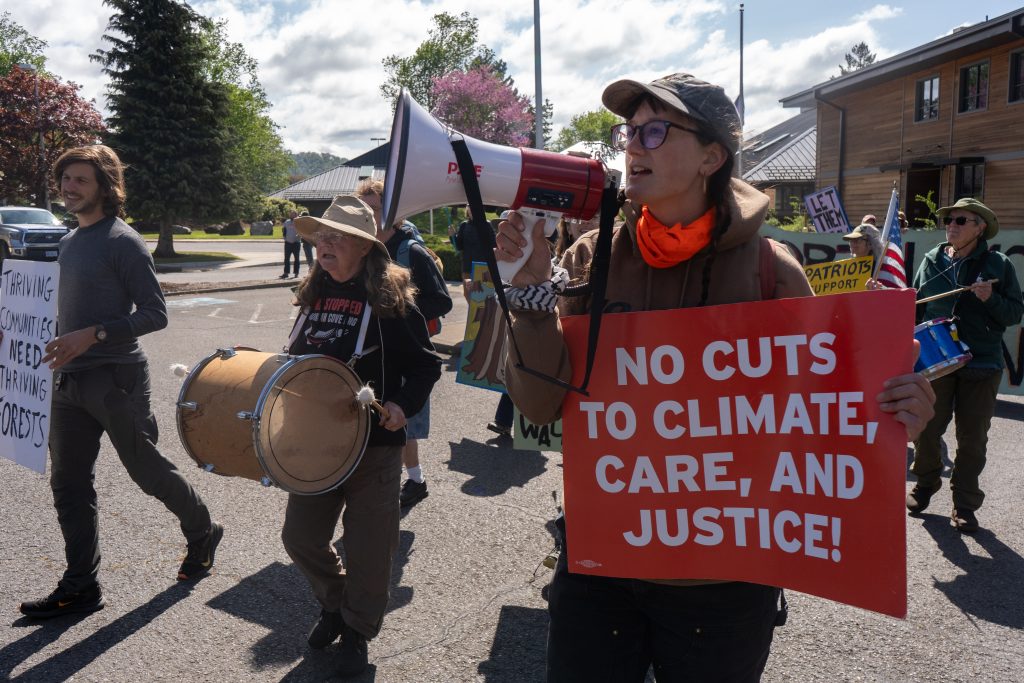
Yet one of the least talked about attacks has been the underhanded and systematic attacks to limit the public’s ability to participate in public lands decisions.
Silencing the Public
One of the biggest attacks came on February 19, 2025, when the Trump administration, in an attempt to dismantle the public’s ability to engage with federal land management decisions, removed the Council of Environmental Quality’s regulations implementing NEPA. NEPA is one of the nation’s most important environmental laws. It is a bedrock law that governs the environmental review process, in other words how federal agencies like the Forest Service and Bureau of Land Management evaluate the environmental impact of proposed actions. While it doesn’t require the agency to choose the least impactful option, it does require the agency to consider a reasonable range of alternatives, evaluate potential effects of each, and show its work while doing so.
NEPA also mandates opportunities for the public to review and comment on those decisions before they move forward. These environmental reviews have historically been released for public input, giving community members, Tribes, scientists, and conservation organizations an opportunity to identify concerns and provide input in opposition or support before decisions are finalized. This is an extremely important part of the process, as it is really the only time that the public is invited to guide a decision that may affect public lands.
Rescinding the CEQ’s NEPA implementing regulations prompted federal agencies to reform their own processes, leading to disjointed NEPA implementation and reduced opportunities for public input. The Forest Service’s changes, which took effect July 3rd, 2025, dramatically weakened both environmental review and public input in public lands decisions.
Among the changes:
- The regulations no longer require scoping, an early and essential process where an agency provides the public with notice of a potential project and identifies potential environmental impacts, unique areas/features, or other concerns.
- The regulations no longer require public comment periods on draft Environmental Assessments (EAs) or Environmental Impact Statements (EISs).
- The agency will also no longer be required to provide a Schedule of Proposed Actions to the public.
- The regulations allow and encourage agencies to expand their use of “categorical exclusions” to document projects, which is a way to bypass lengthier, site-specific environmental analyses and avoid taking public comment.
- The regulations require the agencies to adhere to arbitrary page limits and deadlines for NEPA documents (75 pages and one year for EAs or 150 pages and two years for EISs).
Making it Harder to Speak Up
That same summer, the General Services Administration (GSA) quietly made another change that received little public attention but has major implications for public participation, specifically for environmental groups.
Regulations.gov, the federal website where the public submits comments on proposed federal rules and regulations, removed its POST function for third party organizations.
This was a significant setback not only for environmental organizations but for any third party organization. or years, organizations collected comments and signatures from supporters through their own forms and submitted them directly to the appropriate Regulations.gov regulation page. This made it easier for organizations and for the general public to participate in decision-making processes.
Now every individual must navigate to Regulations.gov, a not very user-friendly site, find the correct rule, complete the online form, and provide personal information and email address to submit a comment. While this may not seem like a huge change, every extra barrier discourages and decreases public participation.
It’s clear this was something the administration was counting on: if fewer people comment, fewer public voices are heard, and less public input is registered in opposition to this administration’s anti-environmental rules and regulations.
Shortening Public Comment Periods
More recently, the Forest Service proposed additional changes that would further reduce public engagement with forest management decisions. The February 5, 2026, rule again narrowed the public’s ability to review environmental analyses, slashing the public comment period for EAs from 30 days to 10 days and EISs from 45 days to only 20 days.
The new rule also changed how groups and individuals can “object” to a project after a final decision is posted. Under the new rule:
- Objections would no longer be approved by an agency official who is not involved with the project. Instead, the employee who ultimately approves the project will hold the power to grant or deny an objection.
- The requirement for the forest service to have a meeting with objectors would be optional.
- The Forest Service would no longer publish comment and objection opportunities in local newspapers, instead just posting notices and documents on the agency website.
- Objections have strict page limits and the agency would have less time to respond to concerns raised in objections.
Eliminating Public Oversight of Agency Operations
Then on July 1, 2026, the Forest Service went a step further by proposing to amend rules to prohibit public notice and comment on changes to the directives that guide management and control of all agency programs including logging, grazing, and permitting across national public forestlands.
How? And what does this mean? Basically this proposal would redefine the Forest Service handbooks and manuals as merely “advisory and informational guidance” that the agency “may deviate from without documenting or justifying alternate actions.” This would allow the Forest Service to revise many of the internal policies that shape how forestlands are managed without any public input or explanations as to why it chose this approach. These handbooks and manuals govern grazing permits, timber sale analysis, wildlife habitat, recreation, and wilderness management. Changes to these regulations would change the way the agency can set standards without any meaningful public review.
The proposed rule is exactly what the private industry and extractive industries want. It would shift power away from the public by reducing public input and our ability to shape regulations and rules, giving the agency all the power to privatize public lands and bleed them for every penny they’re worth.
Why Does This Matter?
Public comment and engagement periods are not just another box to check in the bureaucratic process. It is one of the few opportunities that the public has to guide decisions on how public lands are managed.
While some agency offices are still electing to collect public feedback on projects despite the administration’s limitations, others are beginning to limit or omit these opportunities in alignment with the changes. Together, these changes eliminate several public engagement opportunities to influence environmental decisions before they are made. Instead of creating a more efficient process, they effectively force communities and environmental groups to resort to lawsuits if they want to challenge harmful projects, which is even more costly and time-consuming for agencies and communities alike. Moreover, by reducing public notice and scoping requirements, the administration is making it harder for everyday people to even know what’s happening on public lands—all while the federal government prioritizes industry profits over transparency, accountability, and environmental protection.
And it’s not just about process: time and time again, public engagement has improved federal projects and decisions, identified overlooked environmental impacts, held the government accountable, provided transparency, and protected livelihoods, communities, forests, wildlife, and clean water.
These recent efforts to eliminate notice requirements, shorten comment periods, reduce public input opportunities all have the same goal in mind: shift decision making power away from the public and concentrate it within the federal agencies while reducing accountability, transparency, and environmental protection.
This is exactly why we need to continue pushing back. Now more than ever, we have to speak up.
Although it may feel like submitting public comments falls on deaf ears, these comments remain essential because they build the public record and demonstrate how much people care. When agencies ignore and fail to address the public’s concerns, organizations like Cascadia Wildlands can use that record to hold them accountable in court.
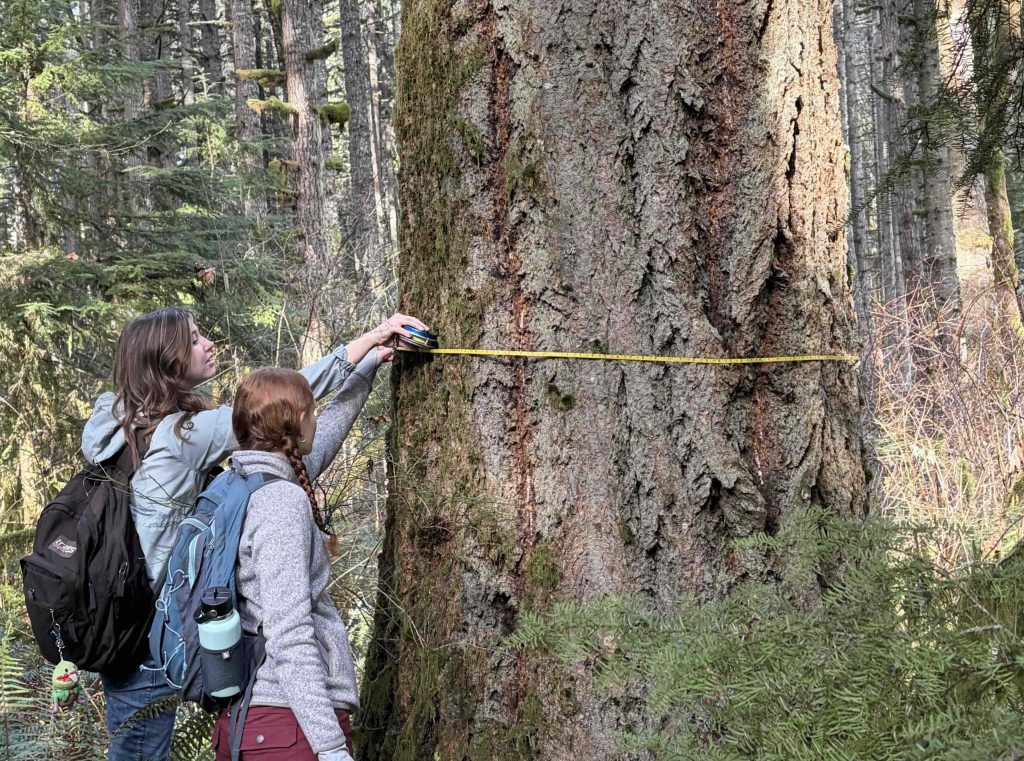
This is also why our volunteer Cascadia Action Team (WildCATs) plays such a vital role. Our volunteers put boots on the ground to document forest conditions, gather critical evidence, and help stop destructive proposed timber sales. As agencies continue to shorten public comment periods, we need volunteers in the field more quickly than ever to take action and document what is at stake. And if that fails, our lawyers can use the public comments and forest conditions to sue.
What Can You Do?
Join WildCAT and join us in the field! Stay informed (subscribe to our newsletter!), submit public comments right when opportunities arise. Share these issues with your friends and family, and spread the word, through conversations in person and on social media so that more people speak up. Contact your electeds often (US Capitol switchboard (202) 224-3121) keep them on speed dial, attend their town halls, and let them know that their constituents care about these issues. Finally, support organizations that are willing to take this administration to court. The government still has to follow the law and we can hold them accountable.
The public deserves more chances for public input on how these lands are managed, not fewer. Forests over fascists!