FOR IMMEDIATE RELEASE
January 14, 2026
Contacts:
Bethany Cotton, Cascadia Wildlands, (541) 434-1463
Matthew Bishop, Western Environmental Law Center
Lizzy Pennock, WildEarth Guardians
Dan Brister, Wilderness Watch
Connie Poten, Footloose Montana
Larry Campbell, Friends of the Bitterroot
John Meyer, Cottonwood Environmental Law Center
KC York, Trap Free Montana
Mike Garrity, Alliance for the Wild Rockies
Jeff Juel, Friends of the Clearwater
Keith Hammer, Swan View Coalition
Arlene Montgomery, Friends of the Wild Swan
Missoula, Mont. — Today, a coalition of wildlife advocates filed a complaint in the Federal District Court for the District of Montana against the U.S. Fish and Wildlife Service for failing to designate critical habitat for wolverine, listed as threatened under the Endangered Species Act (ESA) in November of 2023. The law requires the Service to designate critical habitat within a year of listing, but the agency has not done so nor issued a proposed rule even though only about 300 wolverines remain in the Lower 48 states.
Scientific studies show critical habitat designation is a primary driver in the recovery of imperiled species. As such, in the Endangered Species Act, Congress directed the U.S. Fish and Wildlife Service to provide a “means whereby the ecosystems upon which endangered species and threatened species depend may be conserved,” with explicit deadline requirements to do so.
The wildlife advocates seek to promote wolverine recovery by ensuring the most important areas for supporting these populations are protected via a court-ordered, agreed upon deadline for the agency to designate critical habitat.
Quotes:
“For over a decade, the Fish and Wildlife Service has dragged its feet on providing wolverines the protections the Endangered Species Act requires despite clear science showing their imperilment,” said Bethany Cotton, conservation director with Cascadia Wildlands. “Its time for the feds to follow the law and ensure these amazing animals have the habitat protections they need to survive and recover.”
“Wolverines are just hanging on—down to roughly 300 individuals. They deserve and desperately need all the protections guaranteed by law after being recognized as threatened, including critical habitat” said Matthew Bishop, senior attorney at the Western Environmental Law Center. “Having areas set aside as critical habitat is a major—if not the most important—factor in helping threatened and endangered wildlife recover. Given wolverines’ small population size and climate change quickly shrinking the snowy habitat they rely on to survive, time is of the essence.”
“The endurance and tenacity of citizens actively working to protect iconic wolverines are exceeded only by the wolverines themselves. It’s time to relieve the wolverines of the threats to their existence including habitat loss and trapping,” said Larry Campbell, conservation director at Friends of the Bitterroot.
“In an age when wild, undisturbed areas have already become too rare, we believe it is vital that the USFWS identify and protect the critical habitat the wolverine, a species which perhaps best symbolizes the spirit of wildness, needs to survive,” said Jeff Juel, forest policy director for Friends of the Clearwater. “And this means improving core habitat security and also landscape connectivity so this wide-ranging species can increase its precariously low population of only about 300 in the Lower 48 states to fully recover across its historic home range in the Northern U.S. Rocky Mountains and beyond.”
“Wolverines must be afforded the full protections of critical habitat so their habitat does not become riddled with roads and human developments,” said Swan View Coalition Chair Keith Hammer. “Without habitat protections in place, the species is doomed.”
“Wolverines are wide ranging scavengers,” said Mike Garrity, executive director of the Alliance for the Wild Rockies. “To recover wolverines, their habitat needs to be protected and trapping prohibited—neither of which is currently happening.”
“No critter exemplifies our nation’s wilderness heritage more than the tenacious and beautiful wolverine,” said George Nickas, executive director of Wilderness Watch. “Designating and protecting their critical habitat throughout their range is essential to wildlands preservation.”
“Wolverines are the canaries in the coal mine. To the extent that we can protect them from climate change, we’ll protect ourselves,” said John Meyer, executive director of Cottonwood Environmental Law Center.
“Protecting wolverine habitat is essential to their survival. To neglect that duty under the ESA is to turn a blind eye to the wolverine’s future,” said KC York, founder and president of Trap Free Montana.
“Without protected critical habitat there is no future for the intrepid wolverine,” said Connie Poten, Footloose Montana board chair. “This rare, iconic animal is down to less than 300 individuals in the U.S. Already in a precarious state due to the shrinking snowpack needed to bear and nurture their young, wolverines must have a wide-ranging protected habitat whether occupied or not. This means no traps or snares, as trapping is one of the leading reasons why they are now listed as threatened.”
“Wolverines need critical habitat protections now,” said Lizzy Pennock, carnivore coexistence attorney at WildEarth Guardians. “The U.S. Fish and Wildlife Service cannot keep shirking its legal duty to provide meaningful protections for this species that is already down to a few hundred individuals.”
“Wolverines have waited too long for protection and designated critical habitat,” said Arlene Montgomery, program director for Friends of the Wild Swan. “It is imperative that habitat protections are in place NOW to ensure their survival and recovery.”
“Helena Hunters and Anglers Association members are continuing to monitor the status of wolverines and their habitat along the Continental Divide and in inventoried roadless areas,” said Gary Ingman, board member of Helena Hunters and Anglers Association. “Without an evaluation and designation of critical habitat by the Fish and Wildlife Service, our small population of remaining wolverines remains extremely vulnerable to mortality from indiscriminate trapping and diminishing habitat.”
###
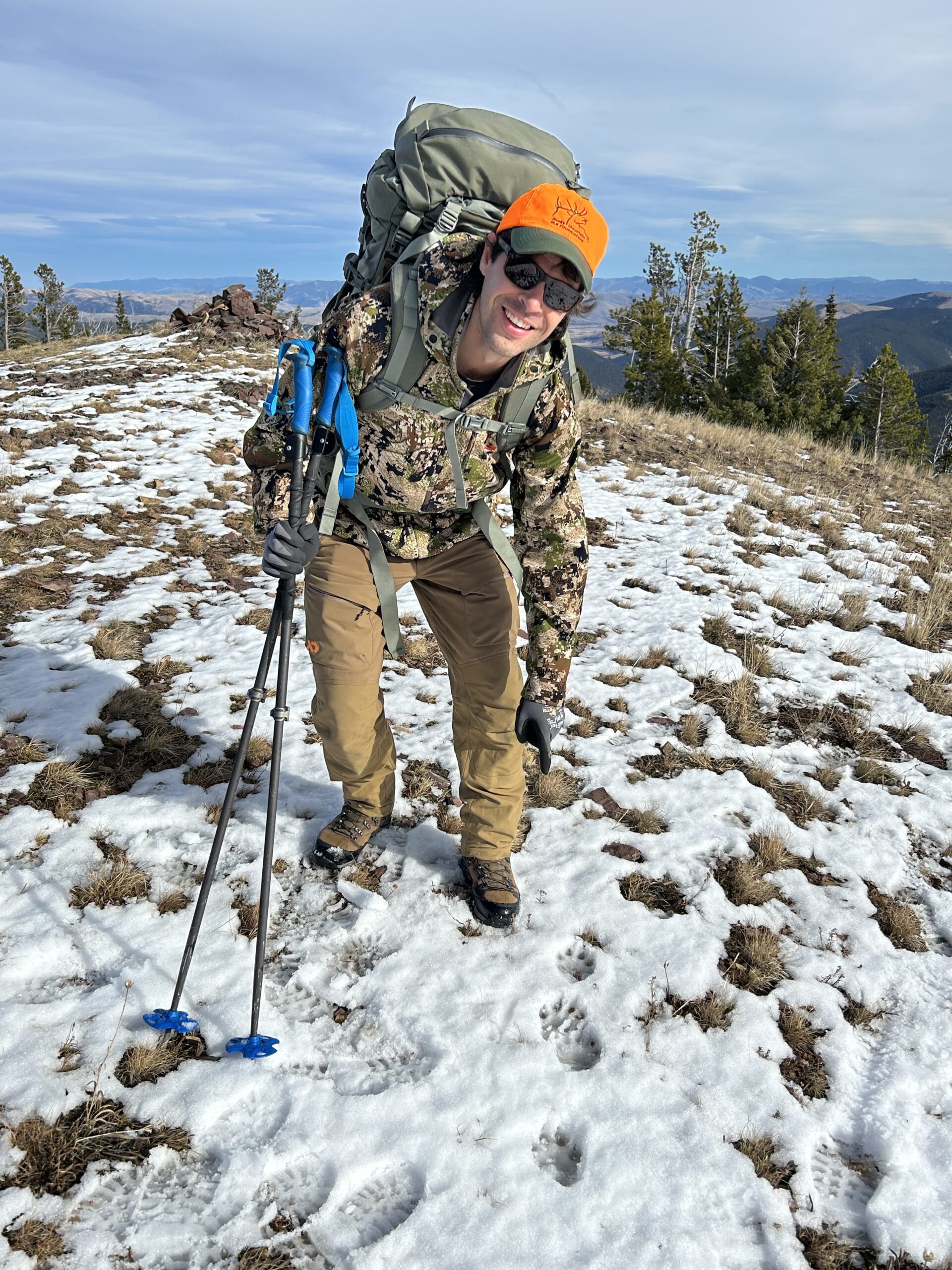
Photo for media use: Jeff Moss poses with wolverine tracks on Nov. 10, 2025, on the Continental Divide west of Helena, Montana. Photo by Gary Ingman, Helena Hunters and Anglers Association.
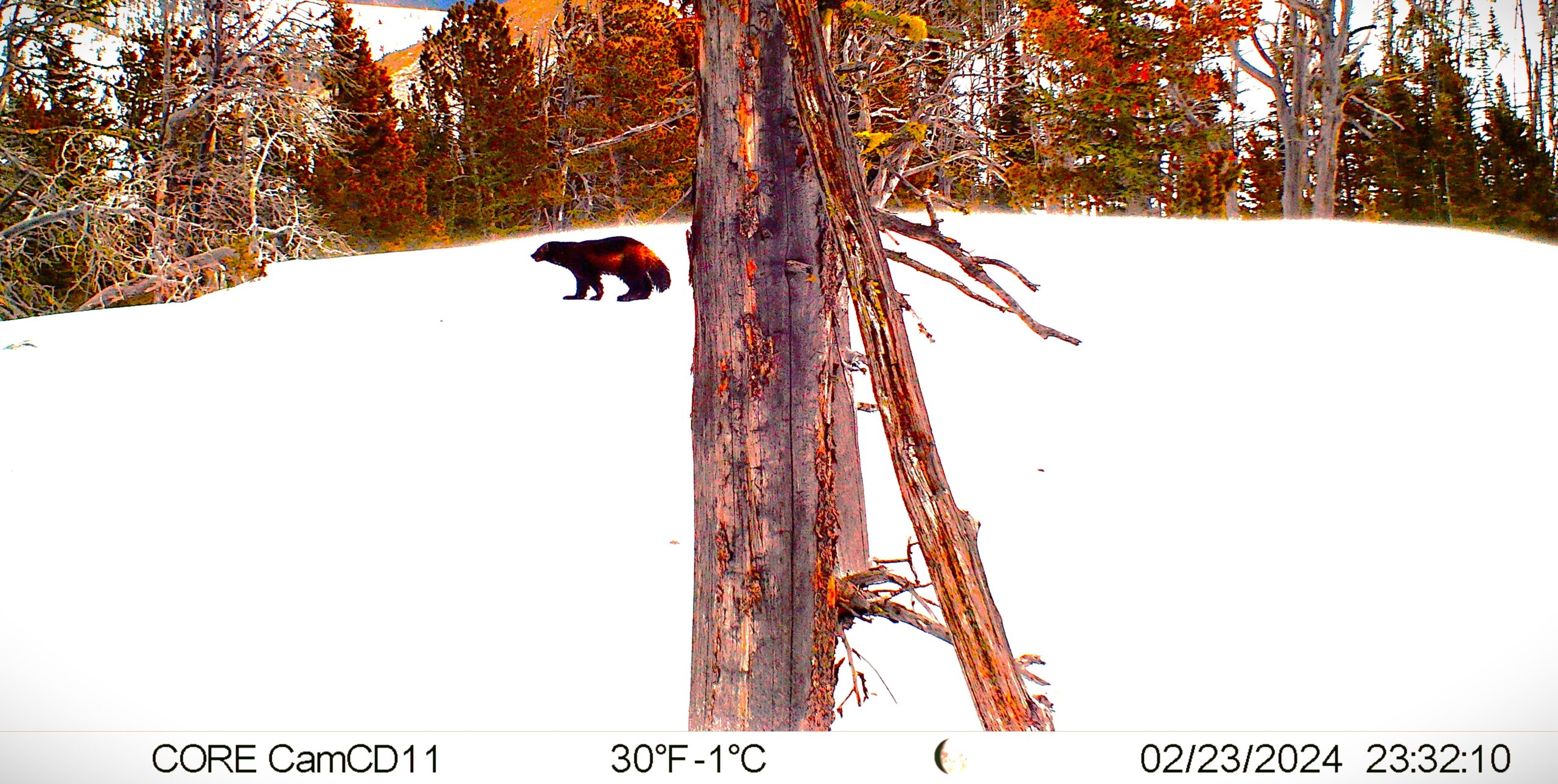
Photo for media use: Trail cam photo of wolverine in Montana by Gary Ingman, Helena Hunters and Anglers Association.
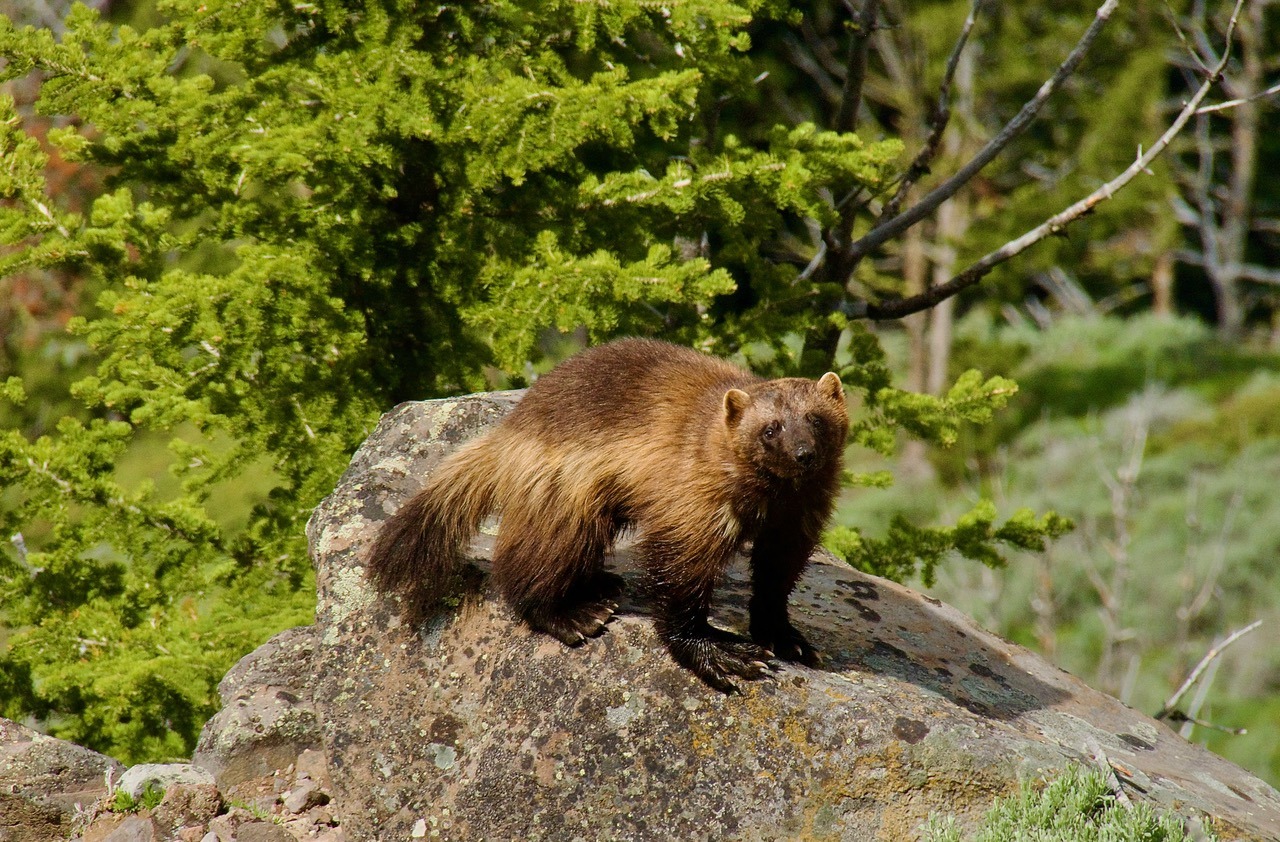
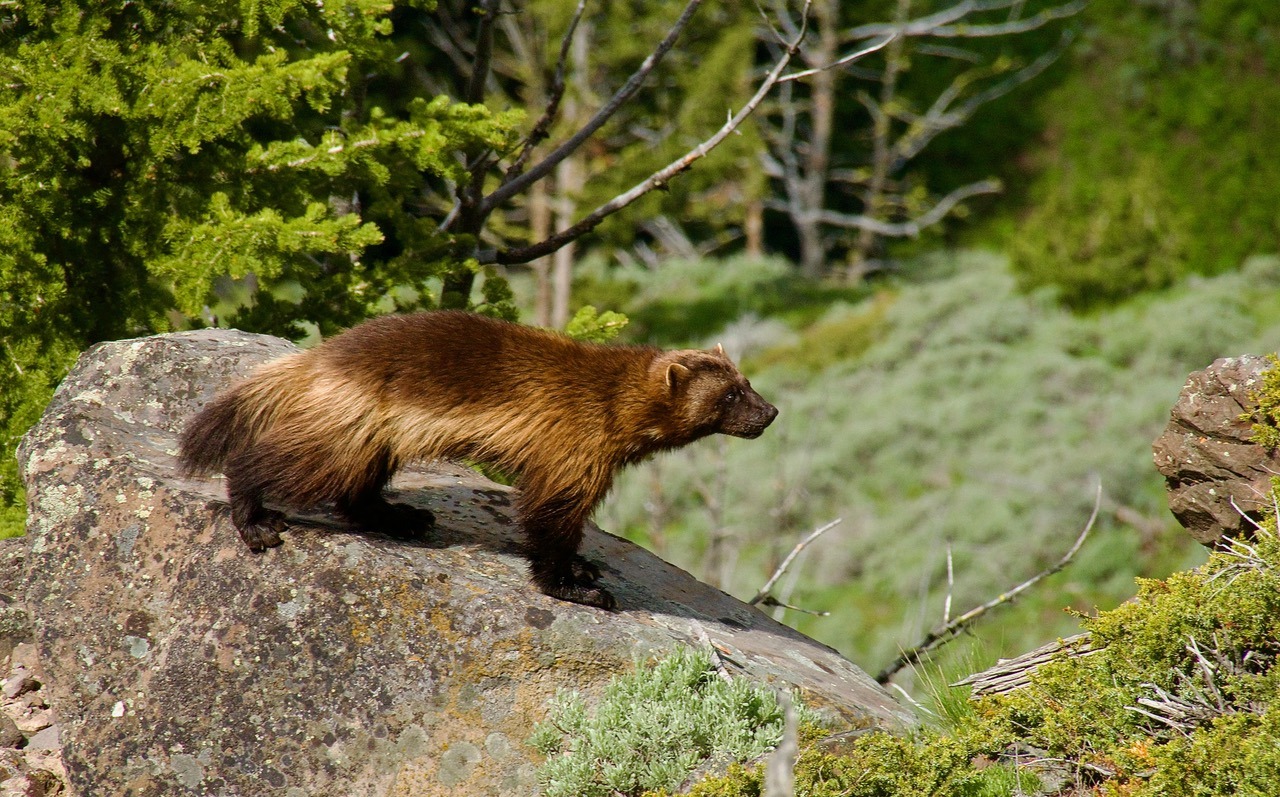
Photo for media use: Wolverine by Howie Wolke, Wilderness Watch board member.
Photo for media use: Wolverine by Howie Wolke, Wilderness Watch board member.