By: Jordan Warmke-Robitaille, Summer Legal Intern
I did not know what to expect coming into my first job in the legal field. My entire career has consisted of field-based work restoring the forests of North-Central Florida, so I had some trepidation about turning in my blue jeans and burn boots for a suit and tie. I knew the profession I hoped to enter would take me out of the field and into the office to a certain degree, but I had not appreciated just how difficult of a transition that would be in my first year of law school. Countless hours spent under the phosphorescent lights of the library reading legal decisions from over a century ago was about as far from the physical, dynamic days in the field I was accustomed to. After two semesters of stale readings in stuffy libraries, I was second-guessing my decision to take myself out of the woods I came to school to defend. I needed proof that my new career choice would not resign me to a life behind a computer – proof that the being an attorney did not mean my days in the woods were behind me.
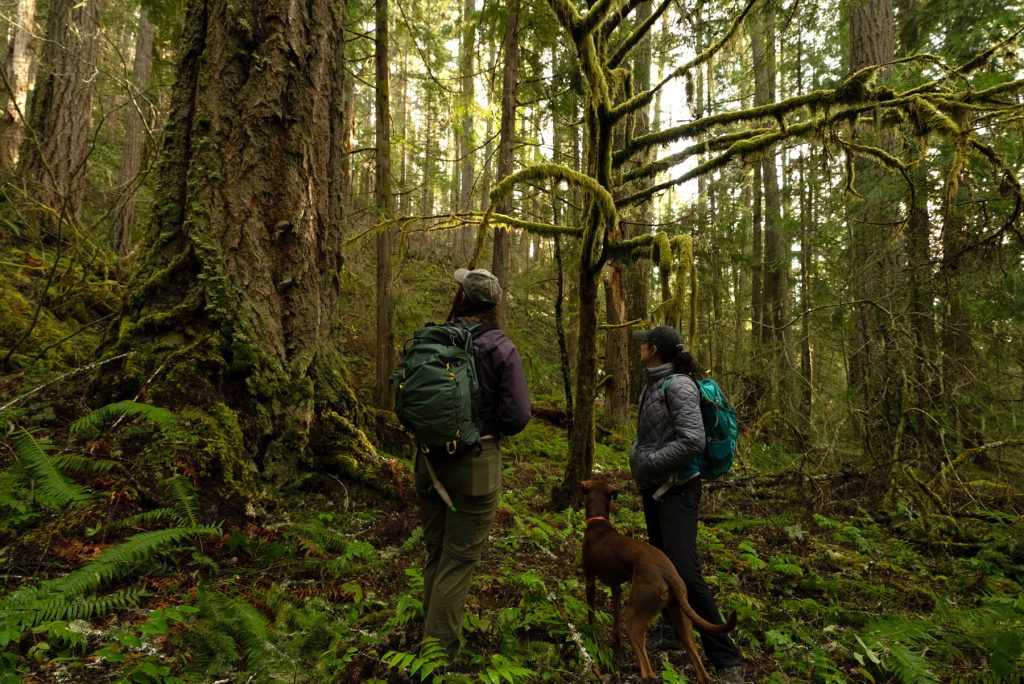
I could not have found a better home than Cascadia Wildlands. My favorite aspect of working with Cascadia, and what makes them unique in my eyes, is their wholistic approach to forest defense. Staff are not stuck behind desks in dimly lit offices. They are out in the field, engaging with their community, and exploring the natural areas they work to defend. Starting from the earliest stages, Cascadia staff are monitoring proposed logging projects for opportunities to provide public comment and collaborate with stakeholders on the need and scope of proposed forest management. They earnestly engage with agency staff to identify and remedy potentially harmful projects as early as possible. In many instances this process bears fruit, leading to meaningful changes to proposals and ultimately reducing their harmful environmental impact and avoiding costly litigation.
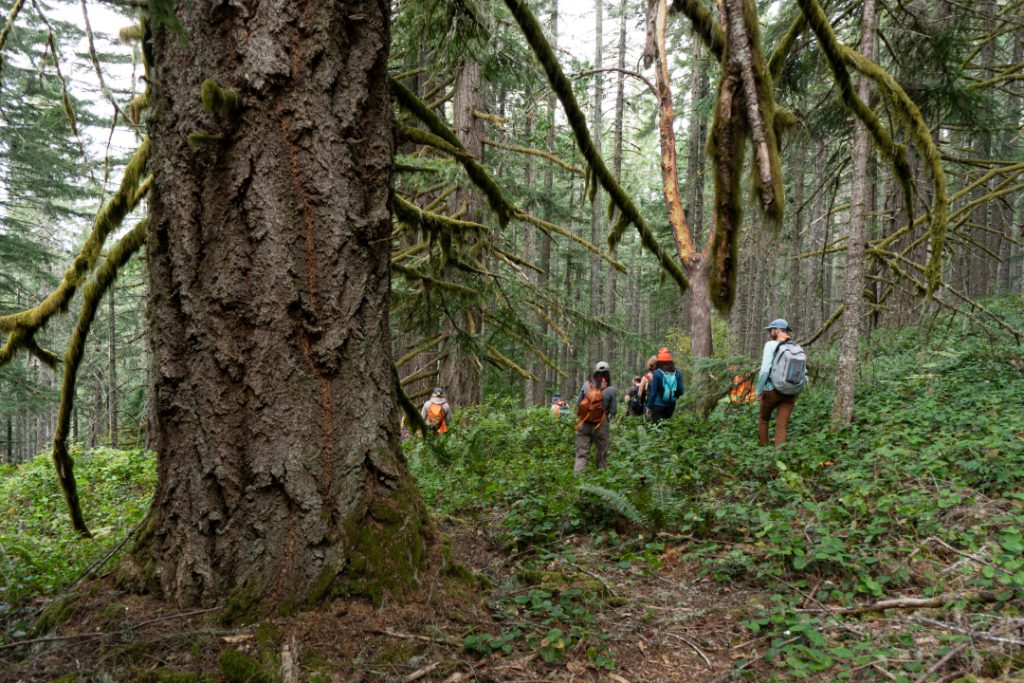
When public comments and community engagement opportunities prove to be unsuccessful, Cascadia does not back down. It engages its scrappy team of wildCATs to venture into the field and conduct critical field checking, collecting real-time data identifying the presence of old-growth forests and imperiled species habitat where outdated agency reports often show none. This data is vital to the success of the legal team, allowing us to provide the court with far more accurate picture of the harm likely to occur than is being portrayed by the agencies in their proposals.
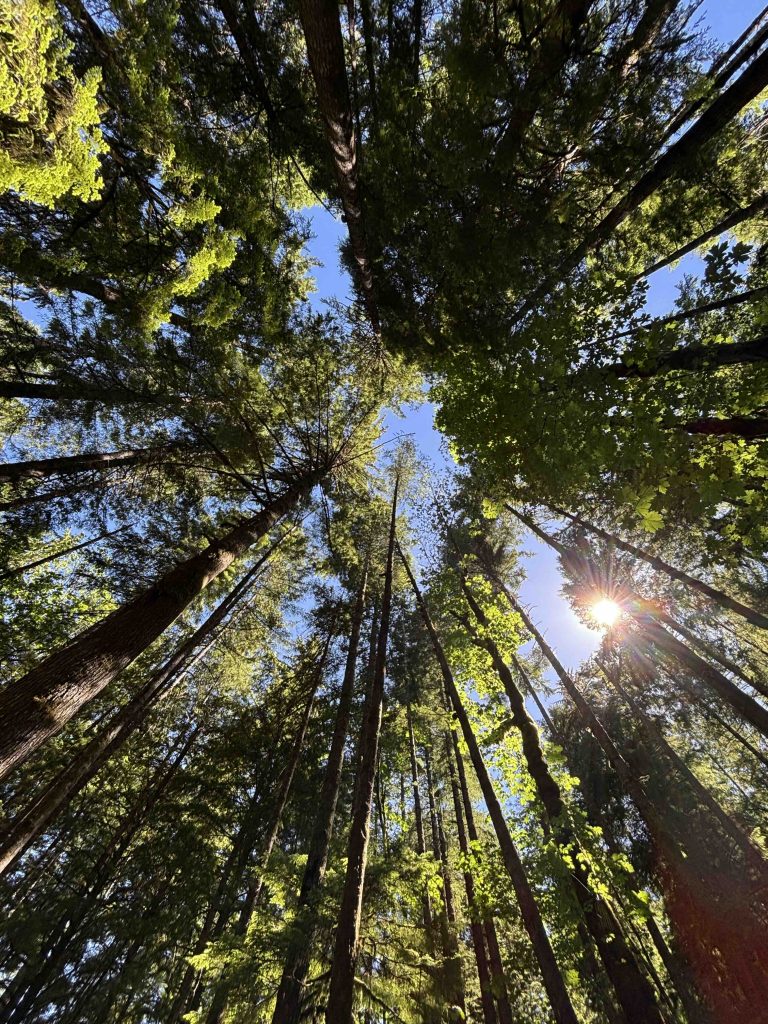
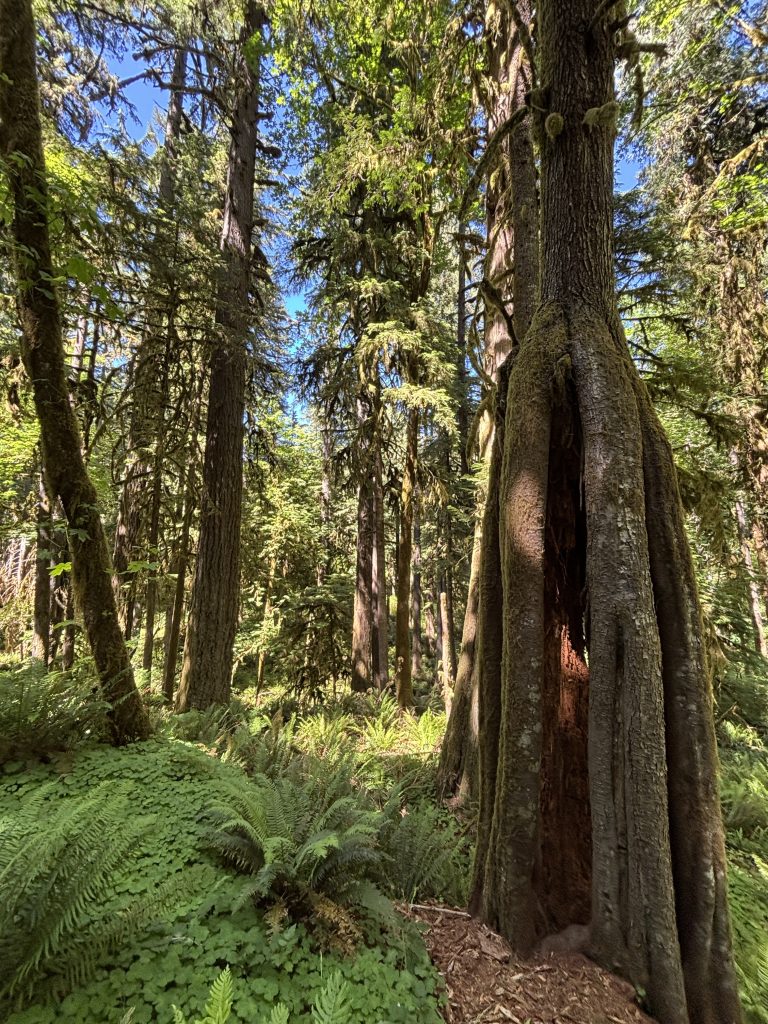
I had the opportunity to participate in one of these field checks with a fellow intern, putting our boots on the ground in an area slated for clearcutting by the Bureau of Land Management. We discovered a beautiful, mature Douglas-fir forest with a shaded understory of ferns and down trees providing rich wildlife habitat. It brought home to me how harmful the agency’s plan to remove this section of forest would be, and just how unnecessary it all was. Harvesting these stands as BLM intended to would eliminate much of the mature forest structure that provides critical hydrological services and reduces wildfire risk. Instead, purely in search of board feet, BLM proposed to harvest up to 95% of the stand and replace it with an even-aged monoculture that would increase fire hazard and decrease biodiversity in the area for decades to come.
Before getting out into the field, these forests are just green spots on a map, amorphous and abstract. After that day in the field, I felt exactly what was at stake and why I was defending it. Being encouraged to take the day to explore the forest we were hoping to defend affirmed to me Cascadia’s advocacy starts in the woods and moves to the court room, not the other way around. And let me say, that legal argument was a whole hell of a lot easier to write after a day with the trees I was fighting to keep standing.
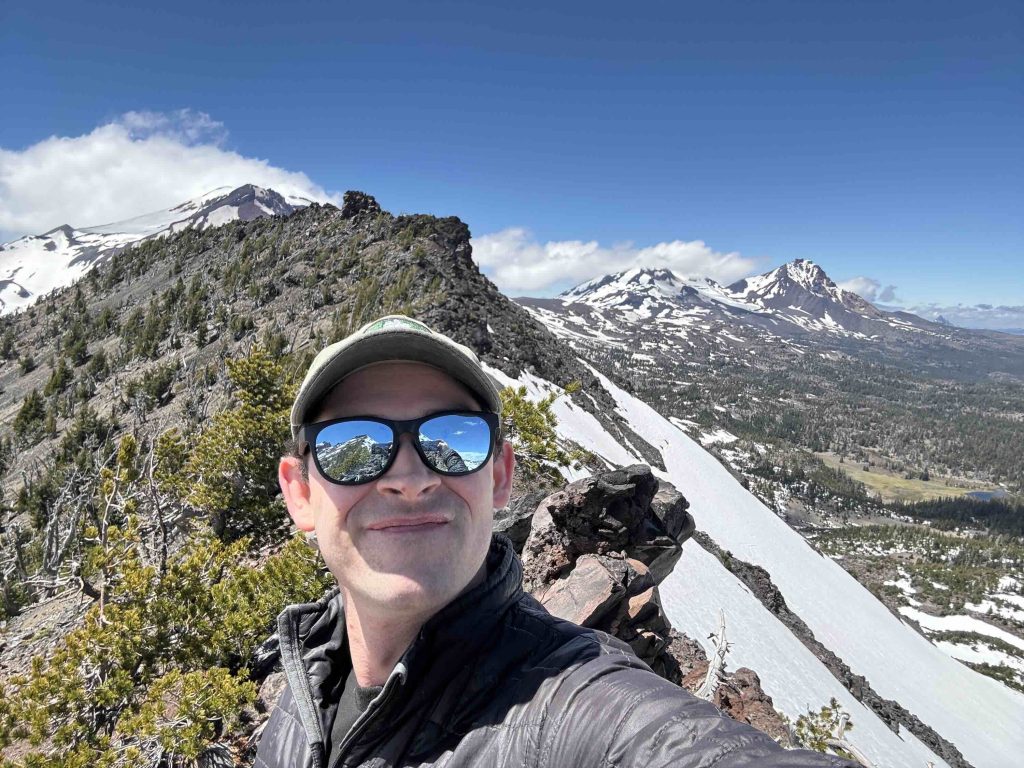
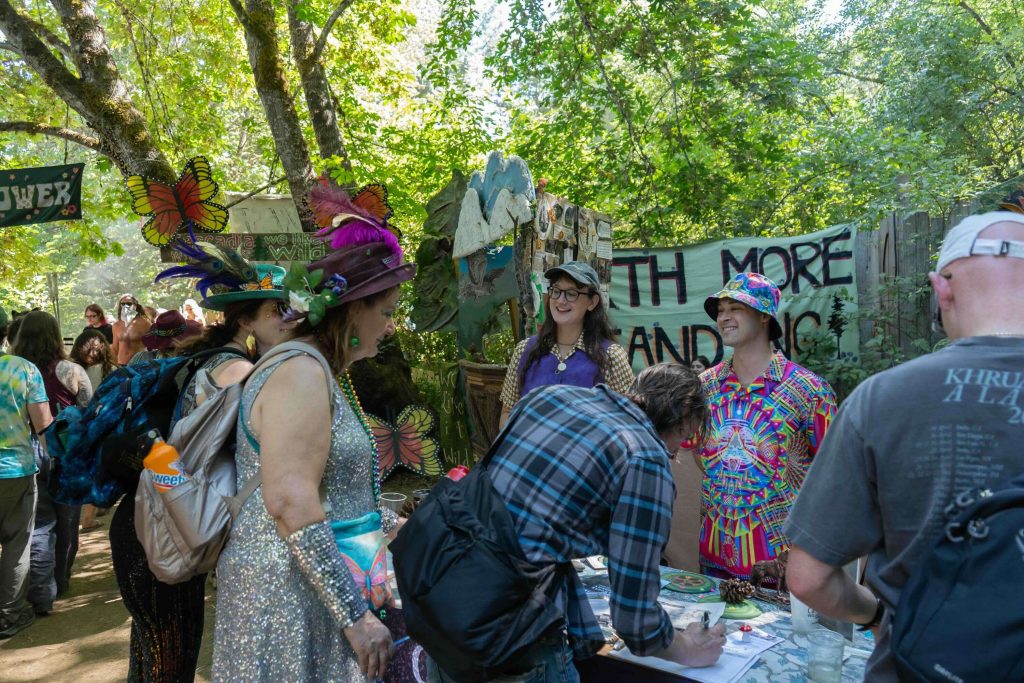
Since coming aboard in June, we have tabled at events across Eugene, collected thousands of petition signatures to defend the Roadless Rule, conducted our annual basecamp event during which volunteers learn field checking skills, and floated the McKenzie River on our annual staff paddle. I have also had the opportunity to visit four national forests, hike nearly thirty miles, and connect with numerous Cascadia Wildlands’ members and forest advocates. These were not simply fun summer internship adventures; they are standard operating procedure for staff at Cascadia. The common theme throughout all these activities: the work is rarely only in the office. And the results speak for themselves – just this summer we halted two illegal logging projects (preventing the harvest of old-growth under the Blue & Gold project and the harvest of critical Northern spotted owl habitat under the IVM program). These cases largely turned on the affidavits – written testimony of their interest and experience – of Cascadia’s members and WildCATs who took time to survey the project areas and provided detailed field reports to the legal team. This data directly supported our legal position that the BLM was unlawfully analyzing and implementing its harvest plans.
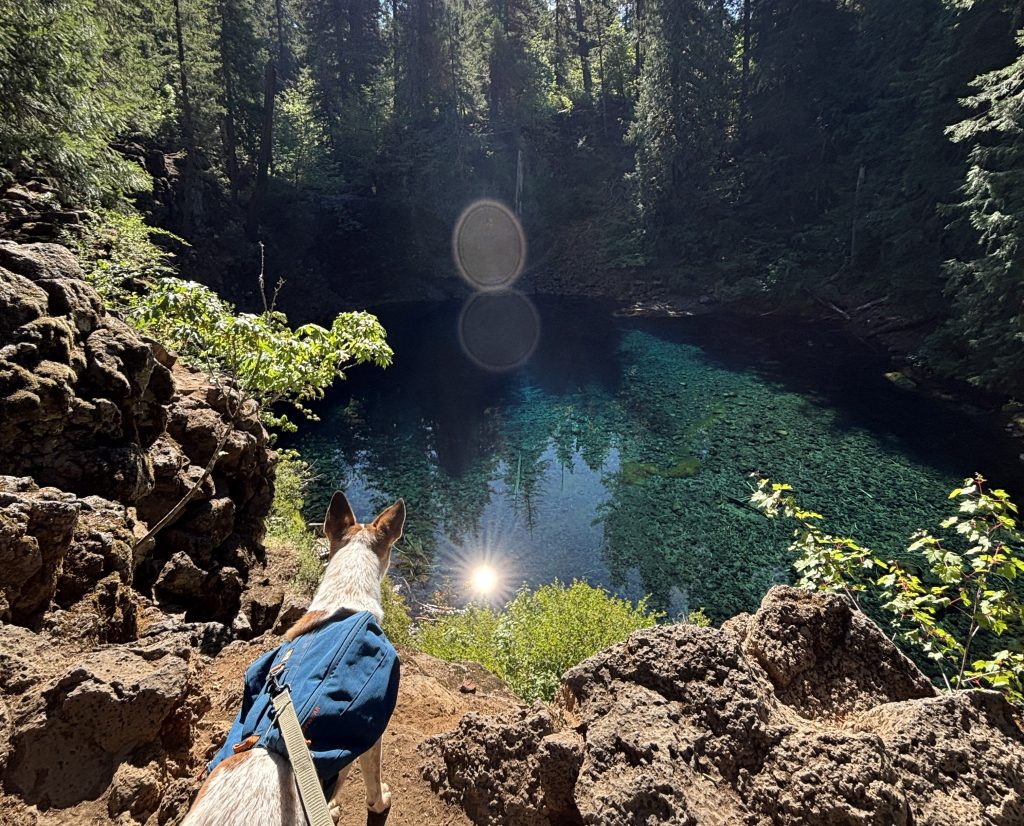
I know that not every day will bring me out into the woods like my past work has. And I am grateful and excited to be positioning myself to defend our public lands in the halls of power where they desperately need advocates. But I will take this ethic of place-based advocacy with me as I transition from my role at Cascadia and continue pursuing a career in forest defense. Wherever I go, I will advocate for getting out of the office and into the field to connect with the landscapes that become so abstracted from our urban downtown offices.
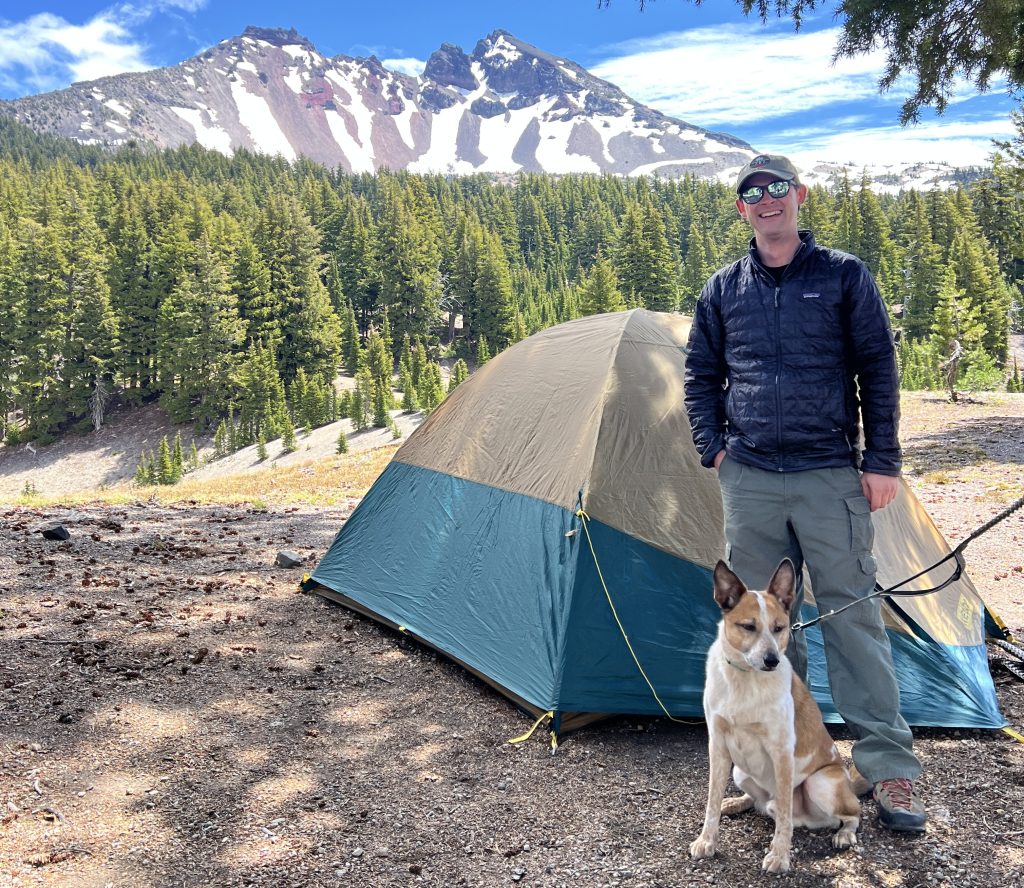
Bio: After moving from his home state of Florida in 2025 and now entering his second year as an Oregonian, Jordan feels entirely at home in the mossy forests of the Cascadia Bioregion. He has enjoyed merging his background in forest resource conservation and forest management with his work as a Cascadia Wildlands legal intern this Summer. Jordan is a rising 2L and plans to pursue a career in environmental and land use law. In his (very) limited free time, Jordan loves exploring public lands and adventuring with friends. He particularly enjoys watching the Vaux’s swifts when they are in town for the season.