Home Page Hot Topic

{{custom_field.photo_credit}}

Cascadia Wildlands and Allies Call for Eugene to Step Away from New Fracked Gas Infrastructure
For Immediate ReleaseNovember 18, 2020 Contacts:Dylan Plummer, Grassroots Organizer, Cascadia Wildlands 541.531.1858 dylan@cascwild.org Broad Coalition Calls for Transition Away from Fracked Gas and Halt to Construction of New Fossil Fuel Infrastructure in Eugene EUGENE, OR – Eugene residents and grassroots organizations including NAACP Eugene/Springfield, Beyond Toxics and Springfield Eugene Tenants Association sent a public letter to Eugene … Read more
Victory! Court rules GE Salmon Approval Unlawful!

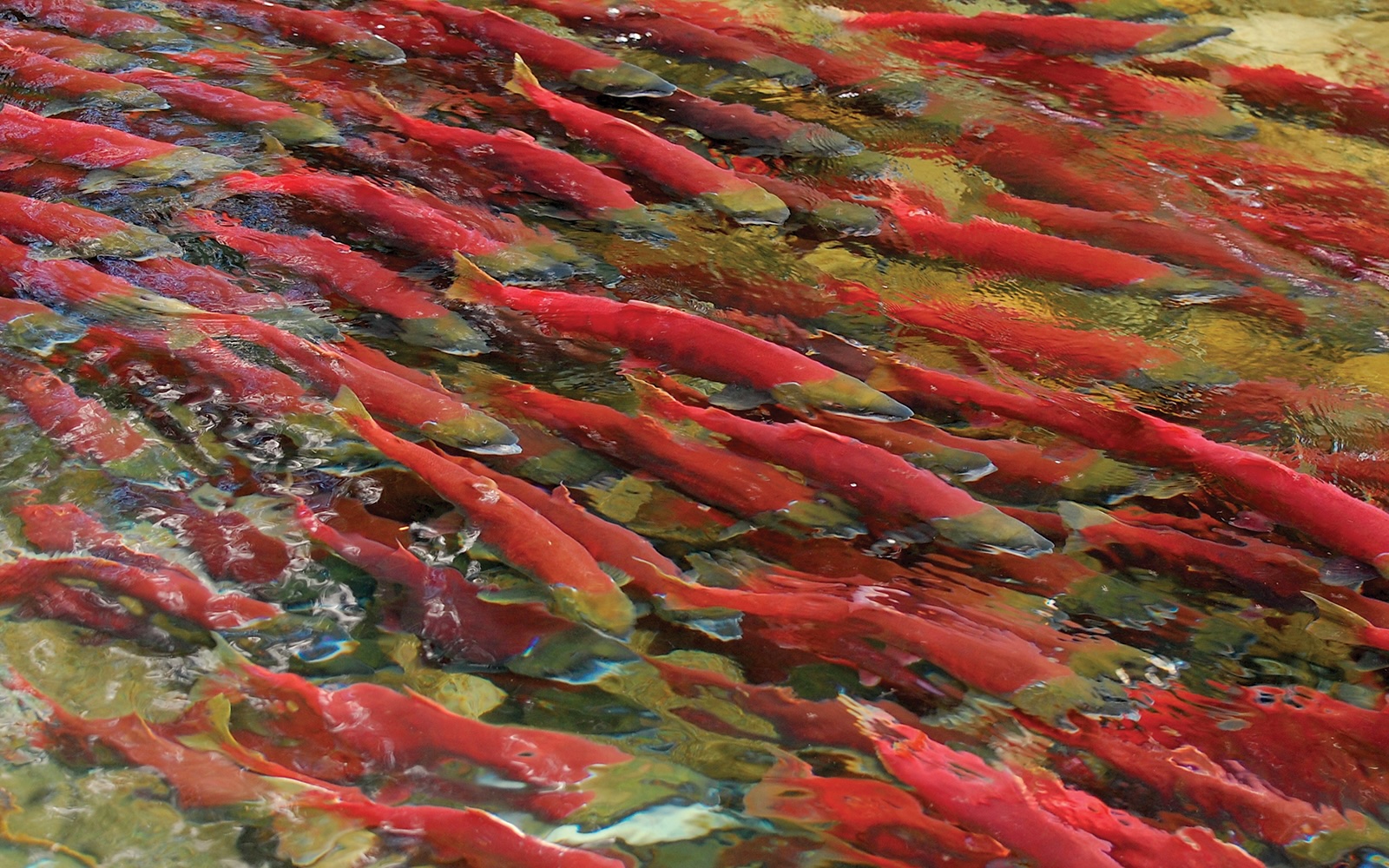
November 10, 2020 — On November 5, 2020, a federal court ruled in favor of Cascadia Wildlands’ lawsuit that the Food and Drug Administration (FDA) violated core federal laws when it approved the first-ever genetically engineered (GE) animal: a GE salmon! This decision is a huge victory for wild salmon, the environment, and our fishing communities.

Wolves: Groups Will Challenge Trump Admin Removal of Endangered Species Protections in Lower 48

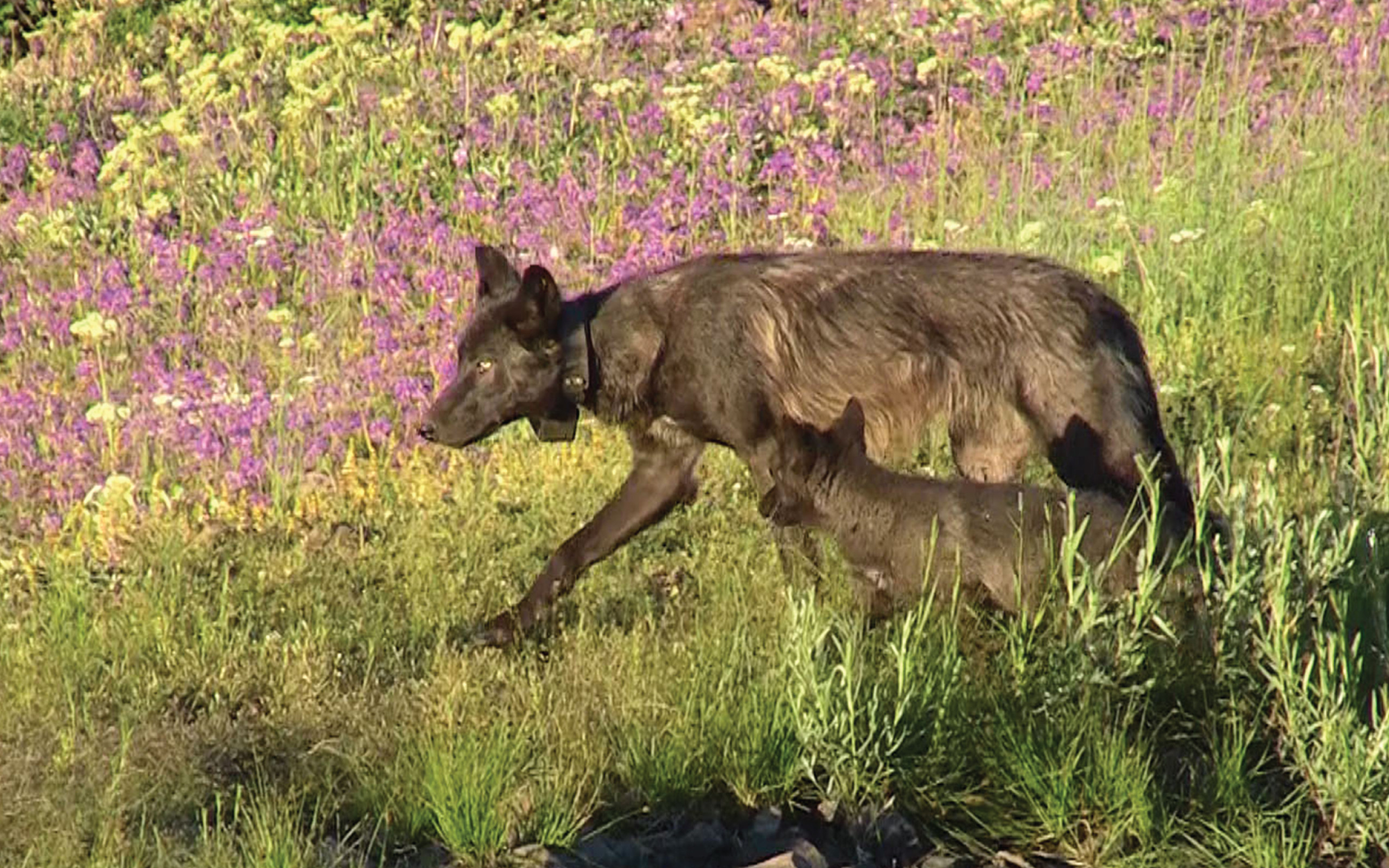
October 29, 2020 — Today, the Trump administration will announce its decision to prematurely remove endangered species protections for wolves in the lower 48 states, in violation of the Endangered Species Act (ESA). The most recent data from the U.S. Fish and Wildlife Service and its state partners show an estimated 4,400 wolves inhabit the western Great Lakes states, but only 108 wolves in Washington state, 158 in Oregon, and a scant 15 in California. These numbers lay the groundwork for a legal challenge planned by a coalition of Western conservation groups.

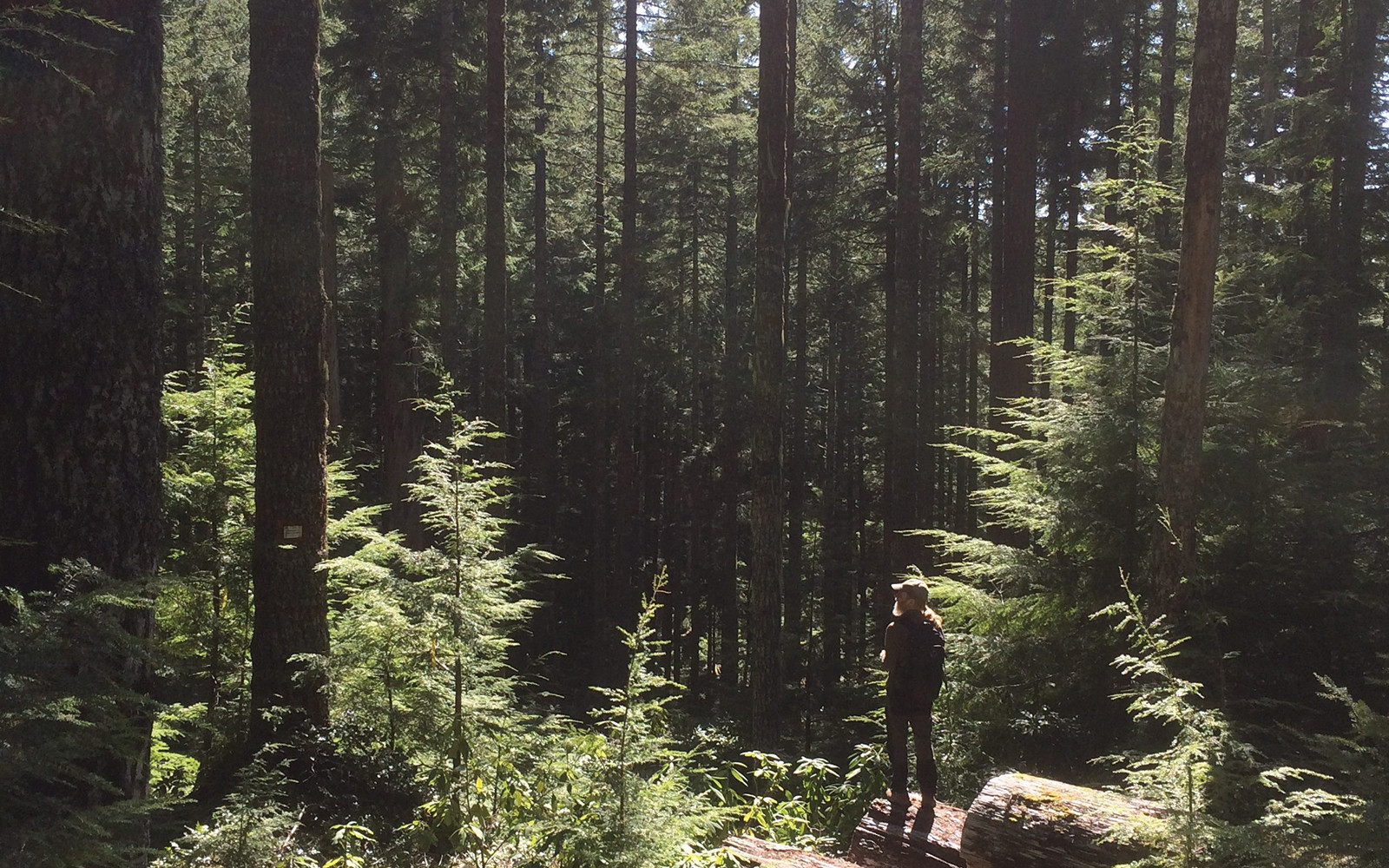
Elliott State Research Forest Proposal Released — Your Comments Needed

In late October 2020, Oregon State University’s College of Forestry released its draft proposal to create the Elliott State Research Forest. This plan remains a work in progress, and Cascadia Wildlands continues to help shape the outcome of it to the point it can be something we can stand proudly behind. As with any complex … Read more

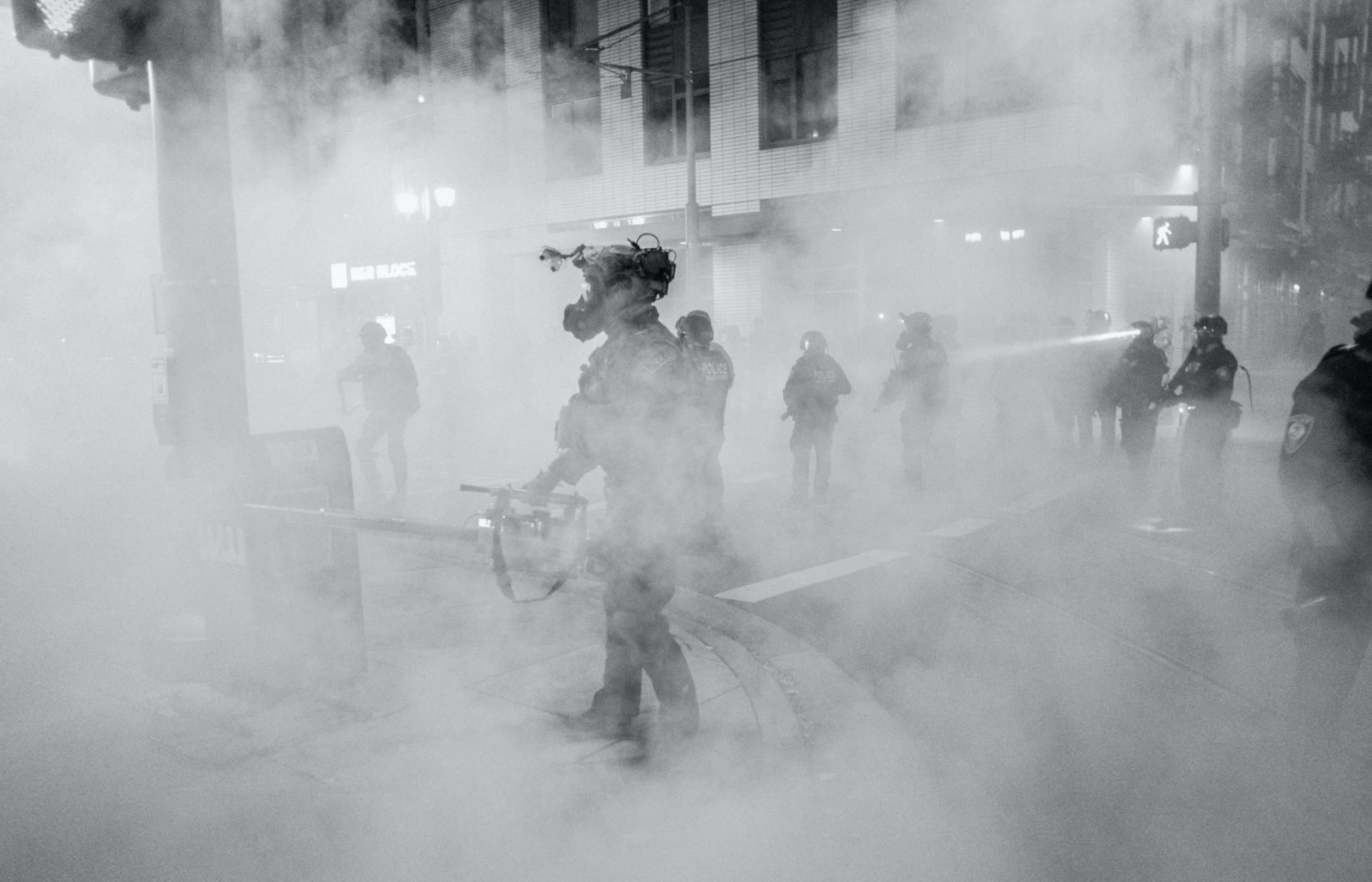
Environmental, public health, and social justice groups file legal challenge against DHS citing lack of analysis on impacts of teargas to human health and the environment

October 20, 2020 — With no regard for health or safety, the federal government blatantly violated federal environmental law when it flooded Portland and the surrounding communities with an unprecedented amount of dangerous chemical weapons, a lawsuit filed today by a broad coalition of environmental justice and civil rights advocates alleges.

Join Us Online Oct. 3 at 1pm

Cascadia Wildlands is excited to be involved with the Eugene Environmental Film Festival this year! Our “Voices from the Umpqua” film is available to a global audience, and tomorrow our Grassroots Organizer, Dylan Plummer, and Umpqua resident and activist Francis Eatherington will be presenting a panel discussion online at 1pm that will not only talk … Read more

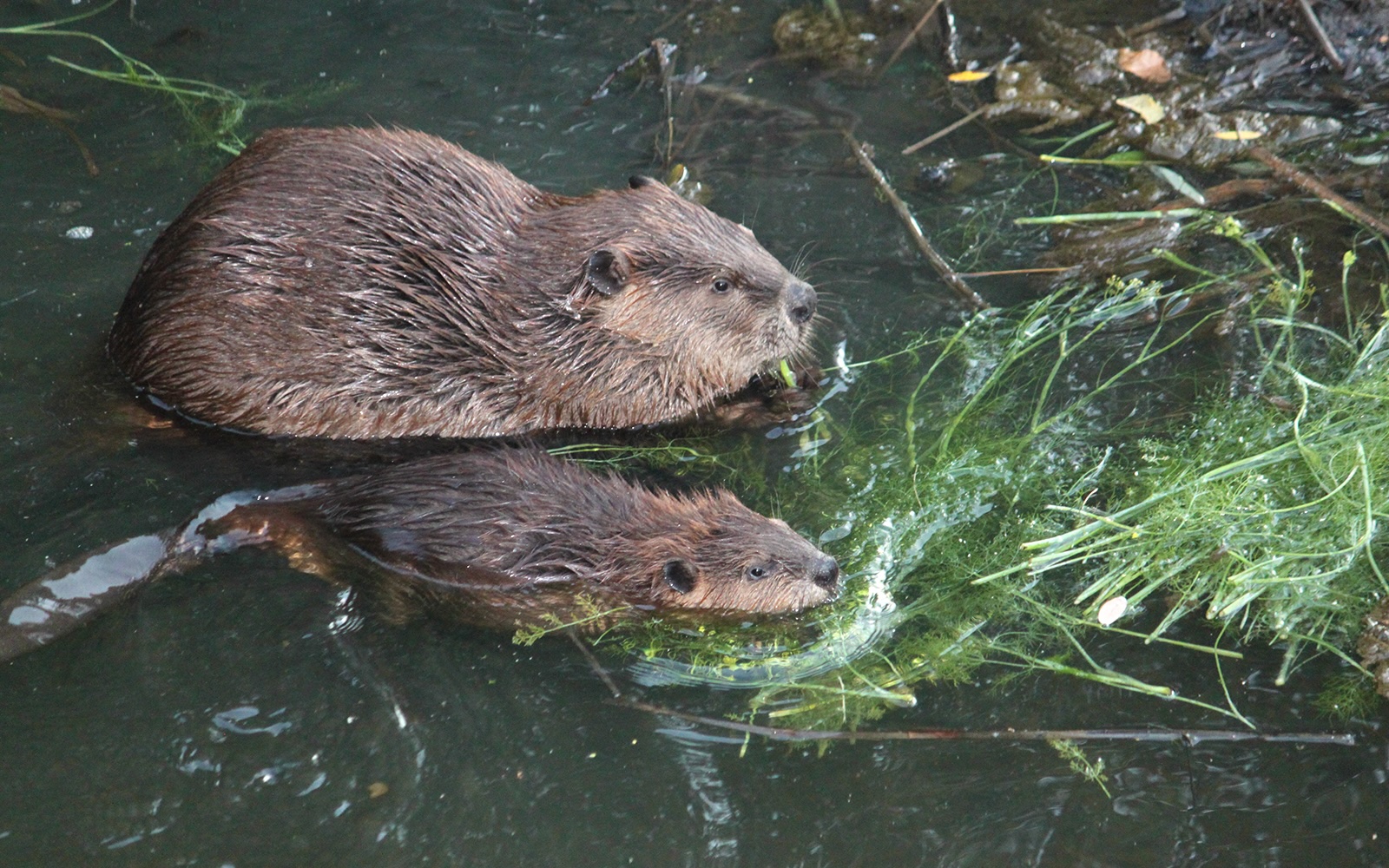
Oregon Fish and Wildlife Commission Petitioned to End Beaver Trapping and Hunting on Federal Land

September 10, 2020 — Conservation groups filed a petition today asking the Oregon Fish and Wildlife Commission to permanently close commercial and recreational beaver trapping and hunting on the state’s federally managed public lands and the waters that flow through them. Beavers are Oregon’s official state animal, but they can be legally hunted and trapped with few limits.  

Gov. Inslee Orders Rework of Washington’s Wolf-killing Policies

September 4, 2020 — In a win for wolf advocates, Gov. Jay Inslee directed the Washington Fish and Wildlife Commission today to draft new rules governing the killing of wolves involved in conflicts with livestock. This action reverses the commission’s denial of a petition filed by advocates in May that called for reforms of the state Department of Fish and Wildlife’s lethal wolf-management policies.

Press Release: Legal Action Taken to Halt Thurston Hills Logging in Springfield, OR

August 17, 2020 — In the midst of the COVID-19 pandemic, the Bureau of Land Management (BLM) rejected administrative protests and decided to move forward with the Thurston Hills timber sale despite widespread opposition to the project. Last year on September 19th 2019, Oregon’s federal District Court rejected the Thurston Hills timber sale due to BLM’s failure to disclose increased wildfire danger for nearby communities and residents, and the BLM’s failure to designate and protect trails in this newly designated recreation area. In response to the court order, BLM made no changes to the project and quickly reissued another decision, a response typical of the Trump administration which ignores the rule of law and attempts to circumvent environmental rules and public process.

BLOG: Environmental Rollbacks Gut Core Conservation Laws

Trump Administration Pushing Through Environmental Rollbacks During the COVID-19 Pandemic by Gene McCarthy Cascadia Wildlands Legal Intern, Summer 2020 It can be exhausting keeping up with the constant barrage of unfortunate news covering the current administration’s breakneck efforts to remove environmental safeguards. Unfortunately, the past six months during the COVID-19 pandemic have been no exception. … Read more

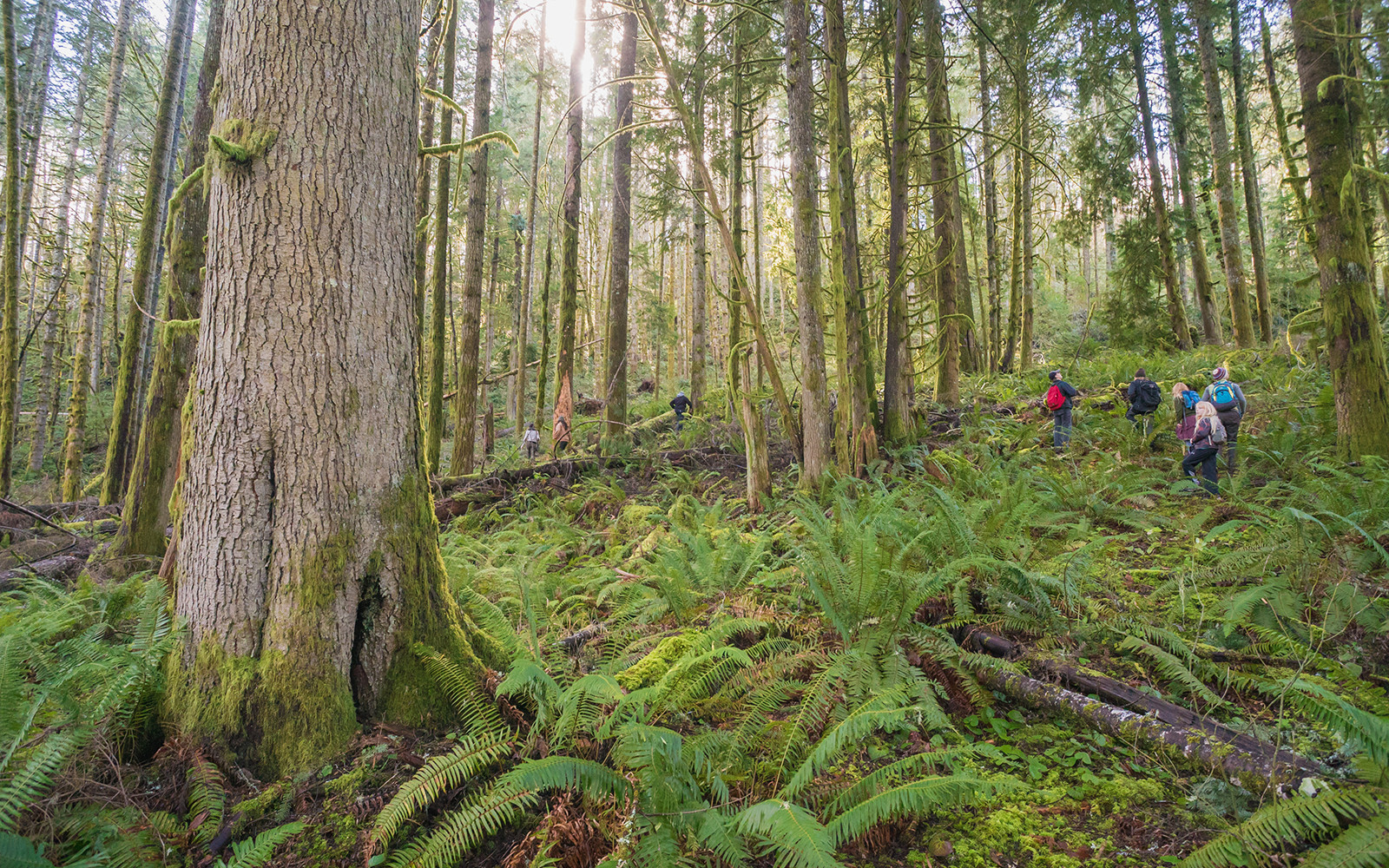
FIELD REPORT / BLOG: Quartzville-Middle Santiam Old-Growth on the Chopping Block

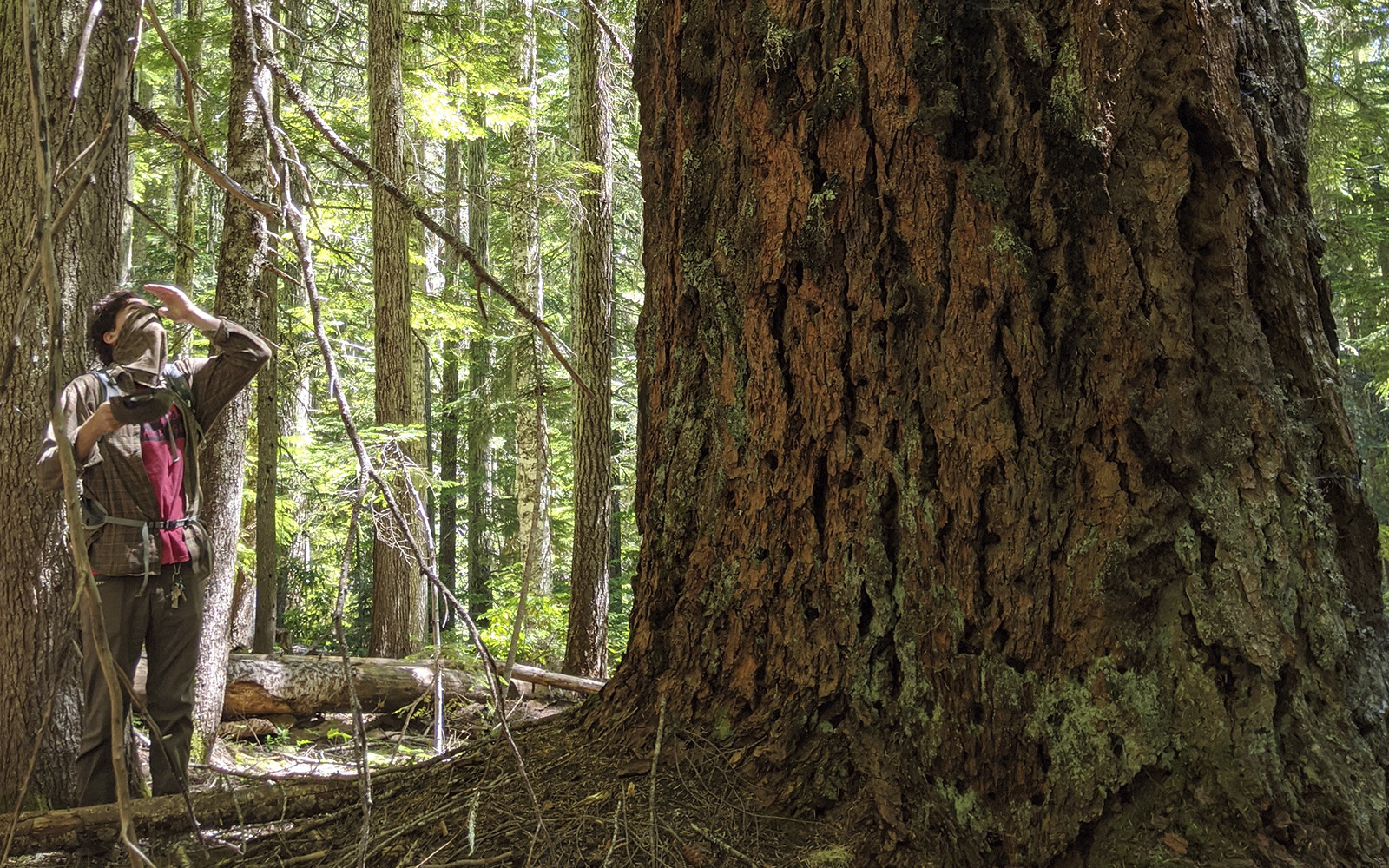
Proposed Quartzville-Middle Santiam (QMS) Timber Sale Project: Field Check Trip, July 2020 by Chelsea Stewart-Fusek Cascadia Wildlands Legal Intern, Summer 2020 On a gorgeous day earlier this month, the Willamette Valley Broadband of Great Old Broads for Wilderness joined the Cascadia Wildlands field checking team to survey some of the units in the QMS timber … Read more

INTERN-al VIEW: No Longer the “Beaver State”- The Quest to Protect Oregon’s Beavers

by Chelsea Stewart-Fusek Cascadia Wildlands Legal Intern, Summer 2020 The North American beaver (Castor canadensis) is a primarily nocturnal, semi-aquatic rodent that is known as an ecosystem engineer because its dam-building behavior drastically changes the habitat in which it lives. Beavers are also considered a keystone species because their removal has far-reaching impacts on other … Read more