Press Room

{{custom_field.photo_credit}}

Despite Permit Denials and Current Public Health Crisis, Federal Agency Approves Jordan Cove LNG
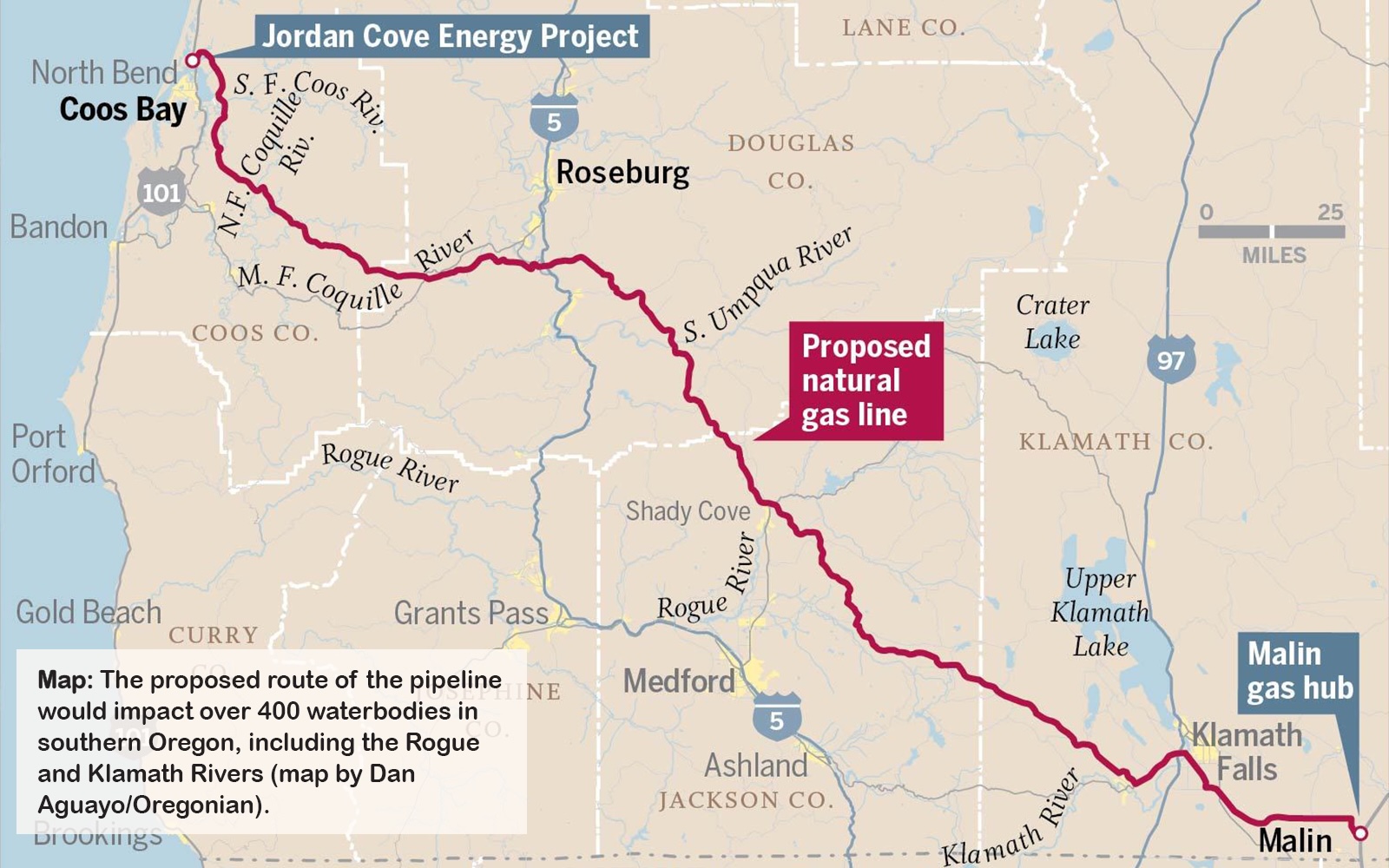
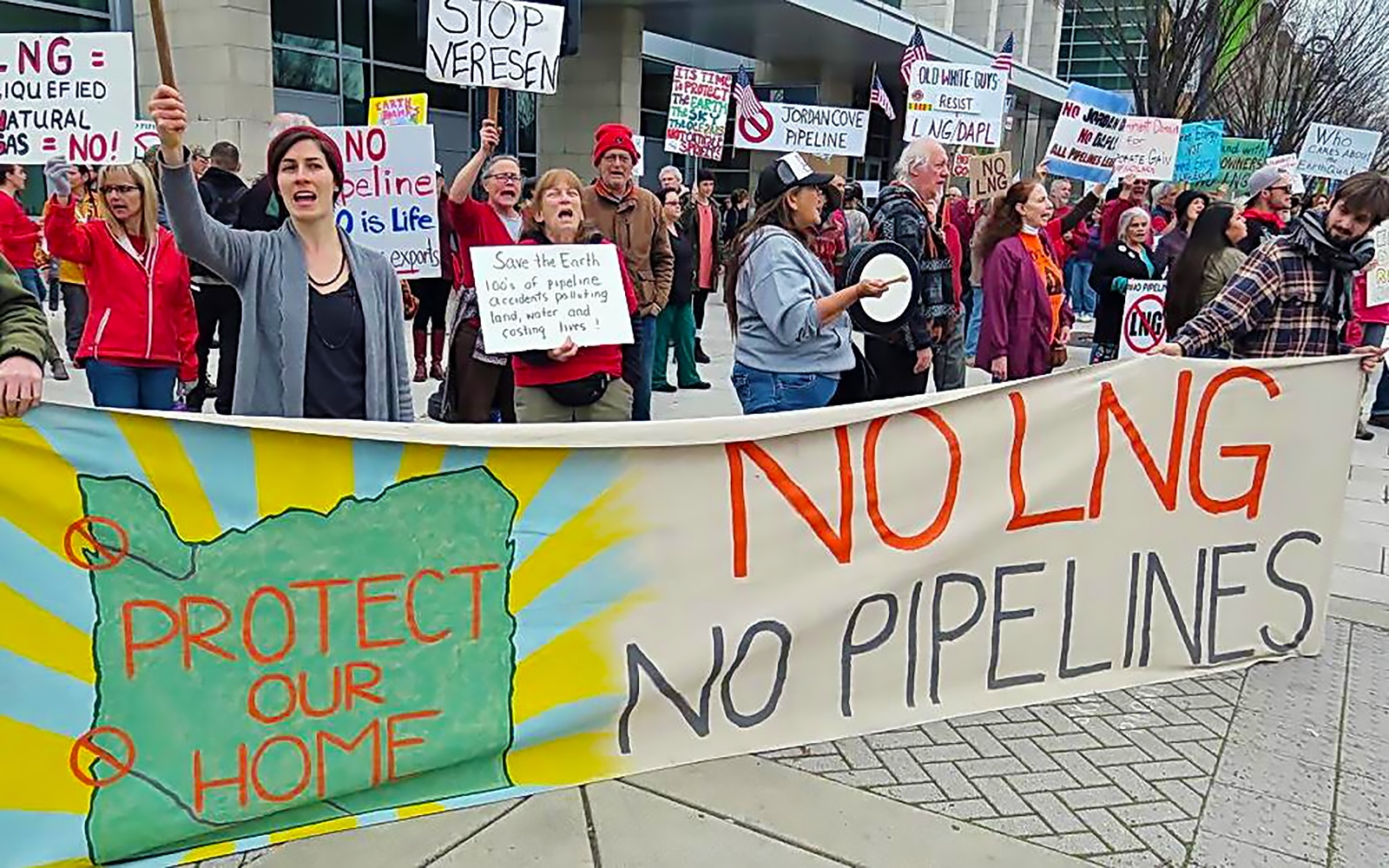
March 19, 2020 — In the midst of the global coronavirus pandemic and national health emergency, the Federal Energy Regulatory Commission (FERC) conditionally approved the Jordan Cove LNG export terminal and Pacific Connector fracked gas pipeline today. The approval is conditioned on Pembina, the Canadian fossil fuel corporation behind the project, qualifying for critical permits from the state of Oregon, three of which have already been denied or withdrawn.
FERC Votes 2-1 to Not Move Fracked Gas Pipeline Forward!

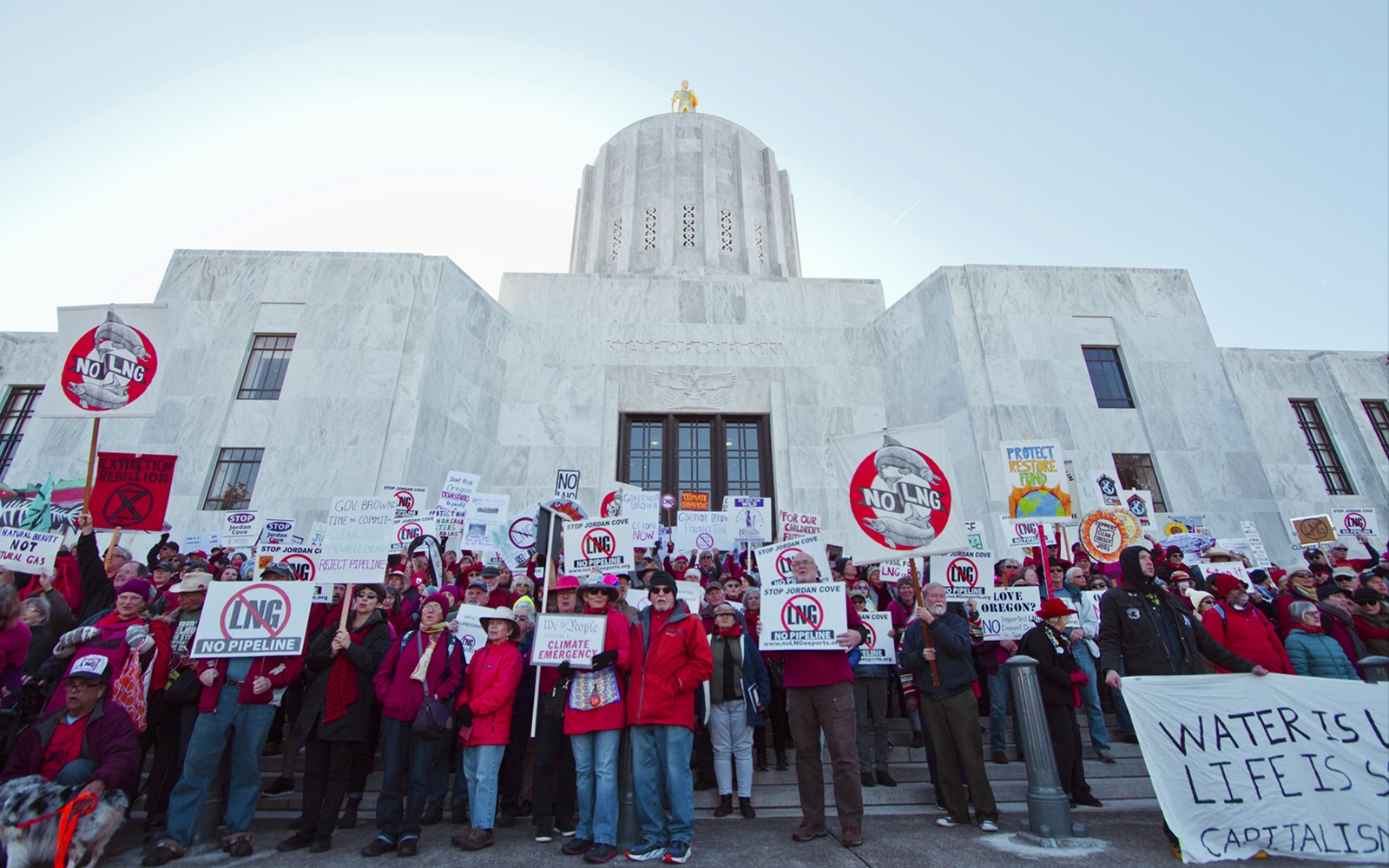
February 20, 2020 — On the heals of yesterday’s State of Oregon denial of yet another necessary permit for the Jordan Cove LNG Project, the Federal Energy Regulatory Commission (FERC) this morning voted 2-1 to delay the Trump administration’s approval process.

Jordan Cove Withdraws Removal Fill Application!

January 24, 2020 — Amidst enormous public opposition and just one week before the Department of State Lands (DSL) was set to make a decision on a critical Removal-Fill permit on the Jordan Cove LNG export terminal and Pacific Connector fracked gas pipeline, Pembina has withdrawn their application to the agency.

Action Needed: Trump Attacks Bedrock Environmental Law

January 9, 2020 — the White House Council on Environmental Quality (CEQ) released its blueprint to dismantle longstanding bedrock protections for communities, public lands, and wildlife. Designed to weaken the role of the public in service of extractive interests such as oil and gas companies, CEQ’s proposed rule is intended to empower federal agencies to advance the Trump administration’s reckless agenda against public lands and the climate.

Cascadia Wildlands and Allies Challenge Enormous North Landscape Timber Sale

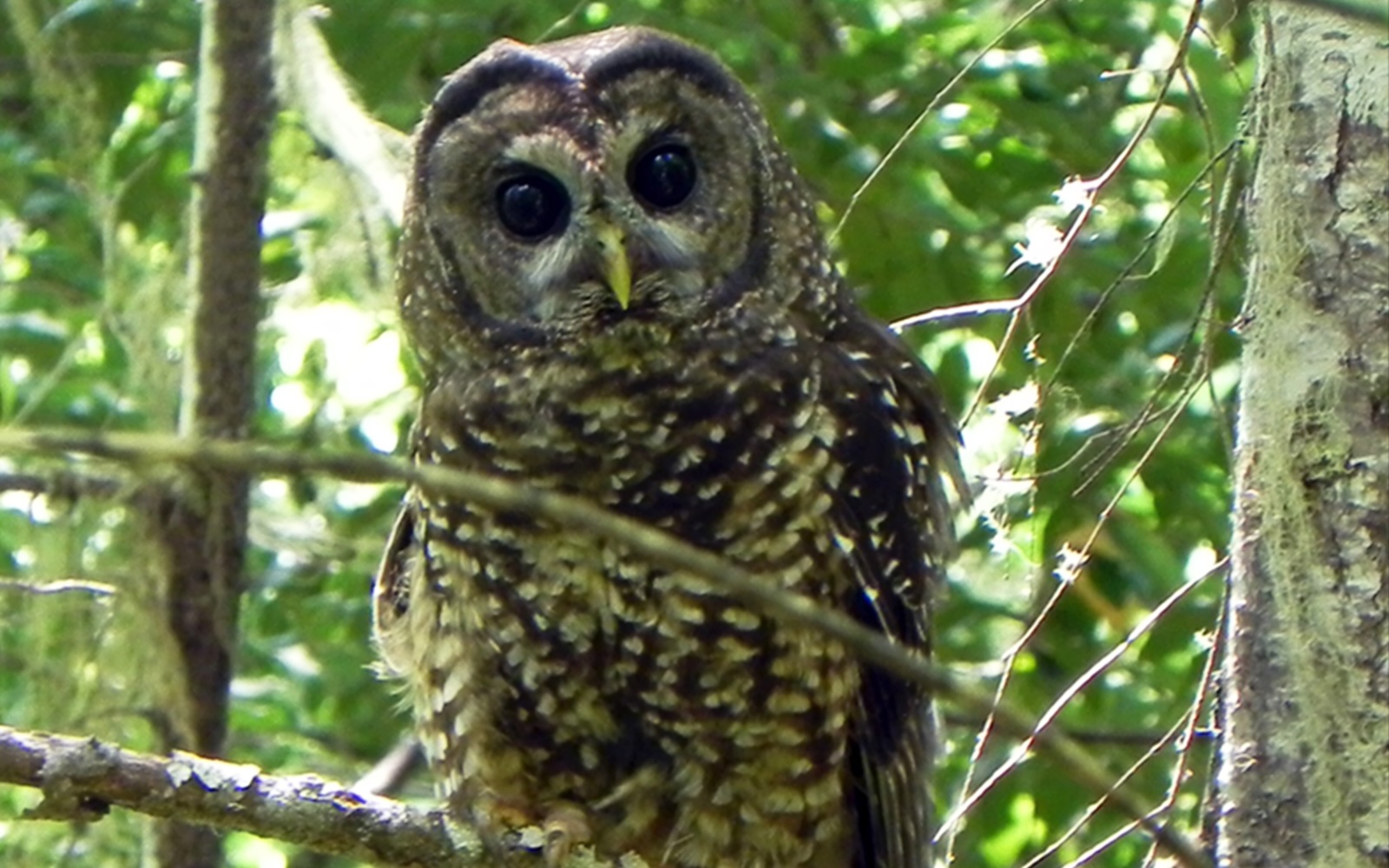
November 20, 2019 — Cascadia Wildlands, Klamath-Siskiyou Wildlands Center, Oregon Wild, and Soda Mountain Wilderness Council have filed suit to stop a 9,000-acre timber project in Southern Oregon that will allow logging in threatened spotted owl habitat contrary to federal laws. The project will occur next to the treasured Cascade-Siskiyou National Monument, further degrading surrounding forests.

PRESS RELEASE: Federal Environmental Impact Statement for Jordan Cove LNG remains deficient while required permit approvals still missing

November 15, 2019 — Today, the Federal Energy Regulatory Commission (FERC) released a Final Environmental Impact Statement (FEIS) for the proposed Jordan Cove LNG export terminal and fracked gas pipeline. This project has faced fierce opposition for more than a decade by a grassroots coalition of impacted landowners, anglers, small business owners, tribal members, health professionals, and communities across Oregon and Northern California.

Legal Victory: Thurston Hills Timber Sale Defeated in Court

September 19, 2019 — On Wednesday, Judge Michael McShane ruled in a lawsuit filed by Cascadia Wildlands and Oregon Wild, determining that the Bureau of Land Management (BLM) violated federal laws when it approved clearcutting 100 acres of public land next to the city of Springfield. The court said that BLM’s environmental review failed to consider the fact that logging would increase fire hazard for nearby residents and failed to harmonize logging and recreation by buffering trails as required by BLM’s own rules.

Legal Victory for Marbled Murrelets in Oregon!

August 7, 2019 — An Oregon judge has issued a decision concluding the Oregon Fish and Wildlife Commission violated Oregon law in denying a petition filed by five conservation groups demanding the commission uplist the murrelet from threatened to endangered under the Oregon Endangered Species Act.

Oregon Board of Forestry Grants Petition to Protect Coho Salmon from Private and State Logging

July 26, 2019 — Late Wednesday afternoon after hours of deliberation, the Oregon Board of Forestry voted 5-2 to accept a petition for rulemaking on coho salmon. The petition was brought by 22 different conservation and fishing groups under a rarely used portion of the Forest Practices Act which requires the Board to consider forest protections on private and state land when species are listed under state or federal endangered species acts. The Board is required to identify “resource sites” for listed species and subsequently develop rules to protect these species if threatened by state and private logging practices.