old-growth

{{custom_field.photo_credit}}

Federal Appeals Court Blocks Mt. Hood Logging
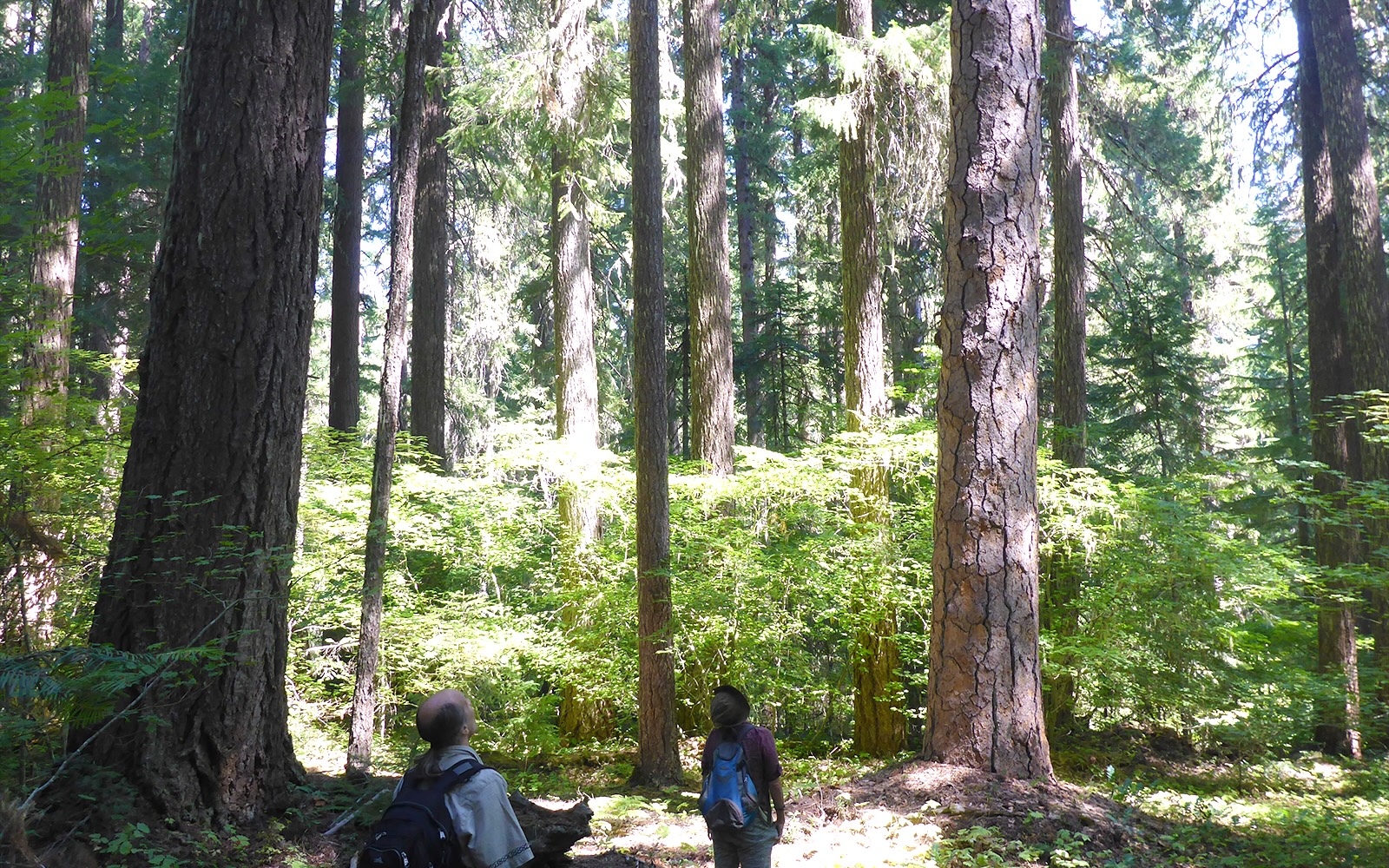
April 3, 2020 — Cascadia Wildlands and our allies Bark and Oregon Wild prevailed before the Ninth Circuit Court of Appeals today federal court in a long-running legal battle over the Crystal Clear logging project on the eastern slopes of Mount Hood. The logging project encompassed nearly 12,000 acres of public land in the Mount Hood National Forest, and included almost 3000 acres of logging of mature and old-growth forests along with plans to build or re-open 36 miles of roads.
Suit Filed to Prevent Old-Growth Logging Near Rogue River

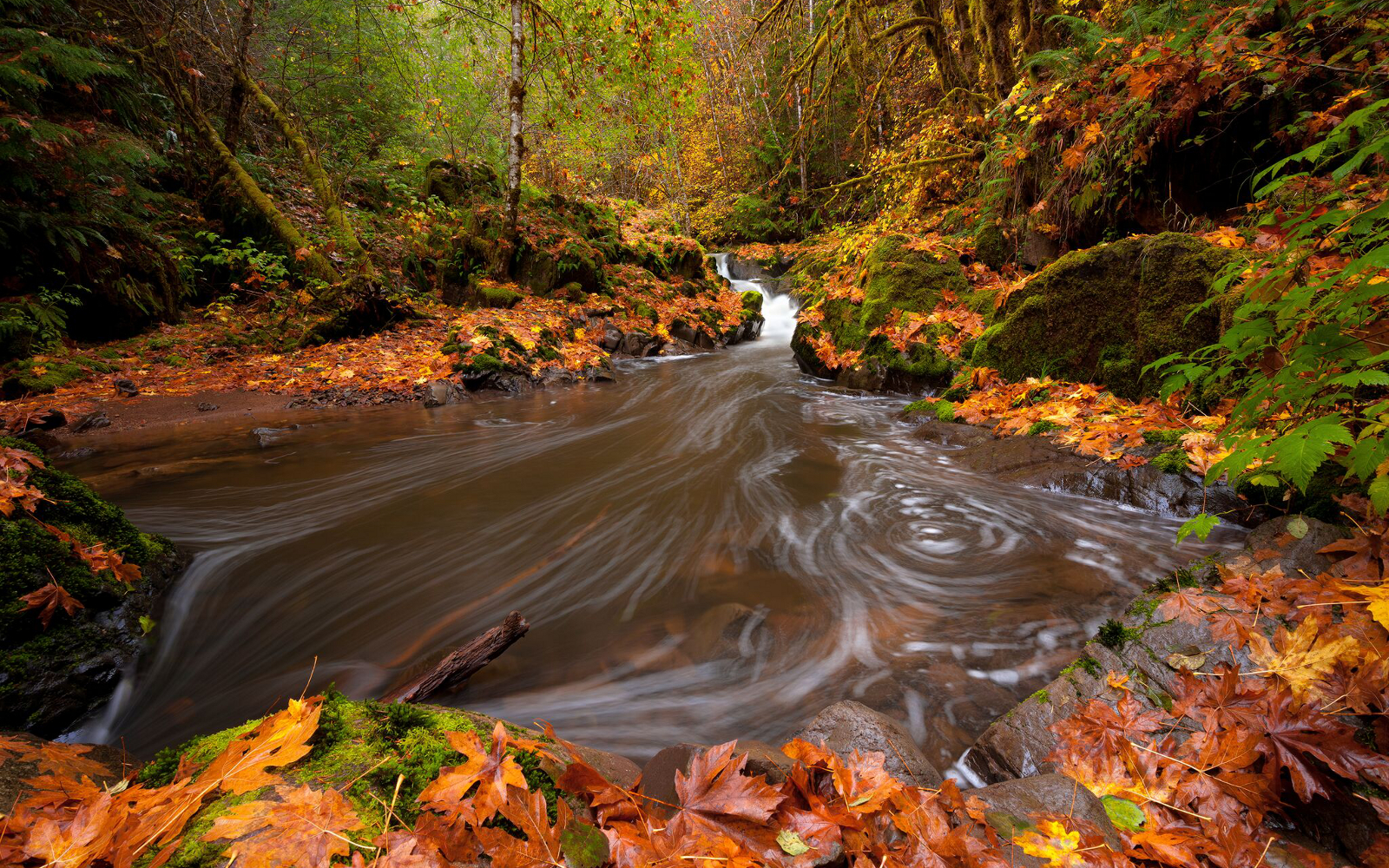
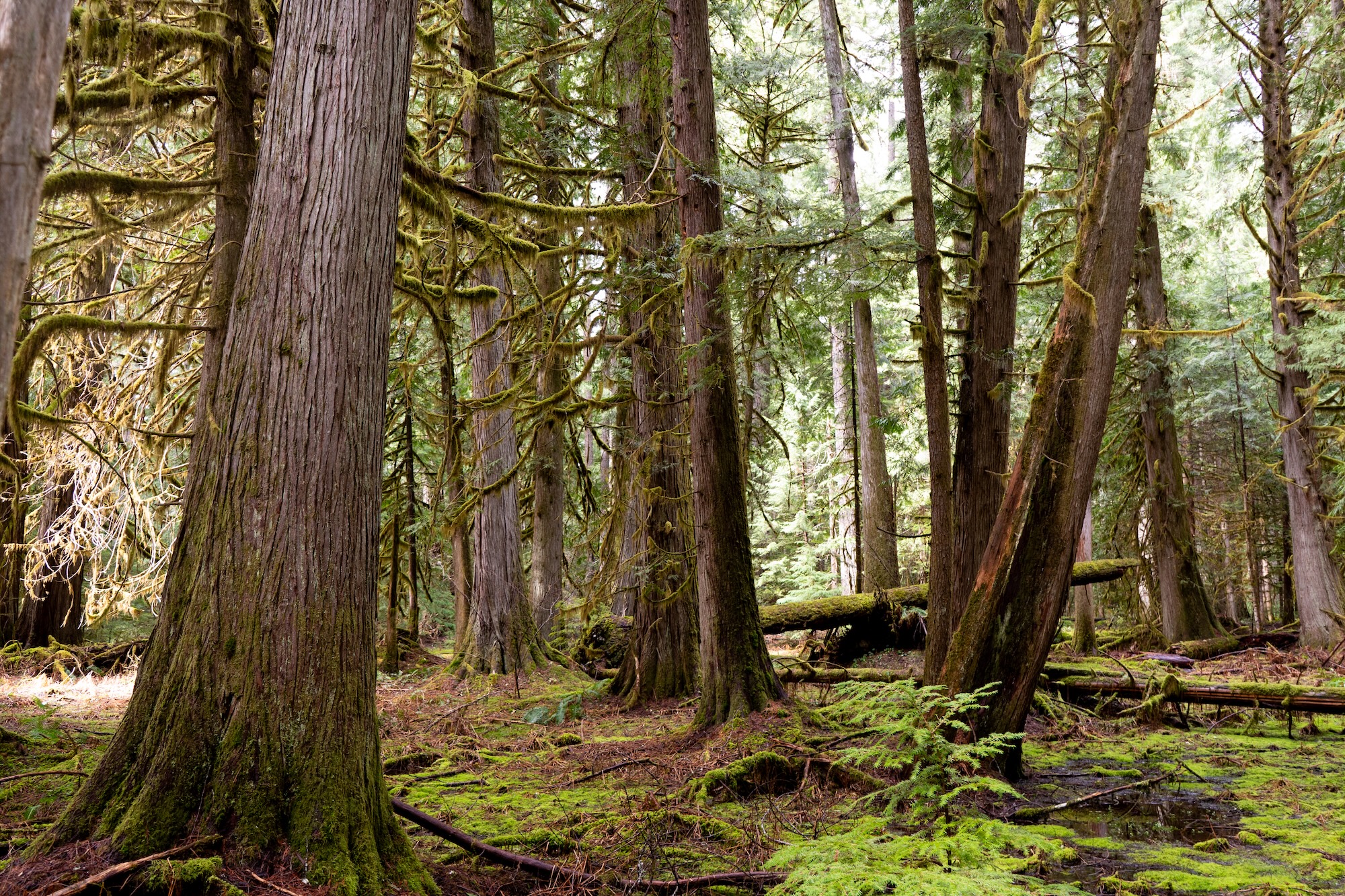
June 27, 2017 — Today a coalition of conservation organizations representing tens of thousands of Oregonians filed a lawsuit against the federal Bureau of Land Management (BLM) seeking to halt the “Lower Grave” old-growth timber sale located on the Grave Creek tributary to the Rogue River.  This illegal logging project proposes to log fire-resilient old-growth forests currently serving as a critical refuge for the northern spotted owl, Coho salmon and red tree voles.

Tongass Groundtruth Expedition: 2016

Photos by Jacob Ritley, Cascadia Wildlands’ Tongass Groundtruth Expedition, 2016. Thanks to LUSH Foundation for their generous support. Southeast Alaska’s Alexander Archipelago is made up of thousands of islands large and small. Small boats and floatplanes are the dominant modes of transportation. Old-growth clearcutting is ongoing this summer on the Big Thorne timber sale, Prince of … Read more

Greater Protections Sought for Marbled Murrelets in Oregon

June 21, 2016 — Conservation groups submitted petitions today asking the Oregon Department of Fish and Wildlife (ODFW) and the Oregon Board of Forestry to take new measures to better identify and protect important forest areas for protected marbled murrelets. The petition to ODFW requests that the agency “uplist” the marbled murrelet to “endangered” status under the Oregon Endangered Species Act (OESA). The petition to the Board of Forestry asks the agency to identify and protect important forest sites critical to the species’ survival.